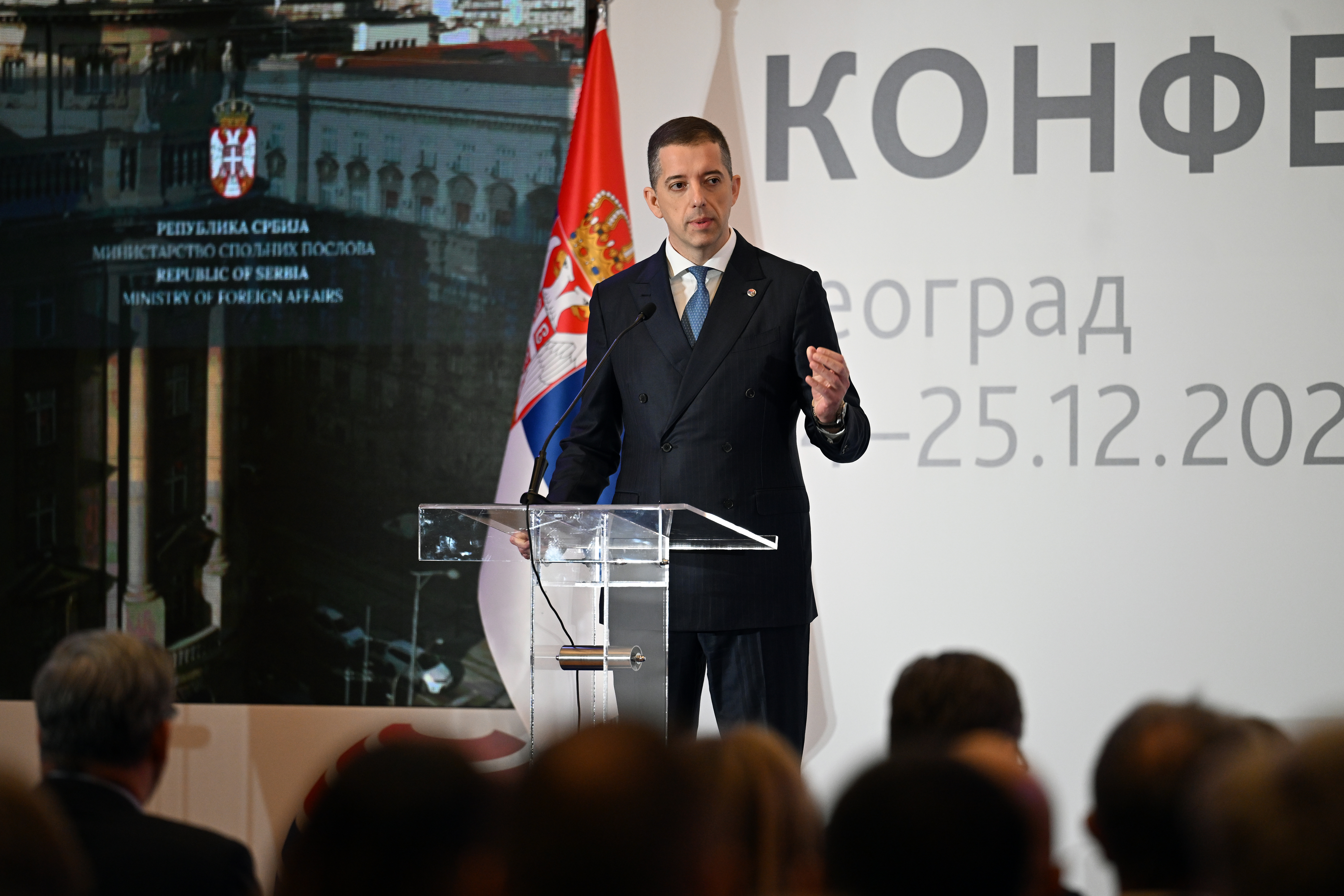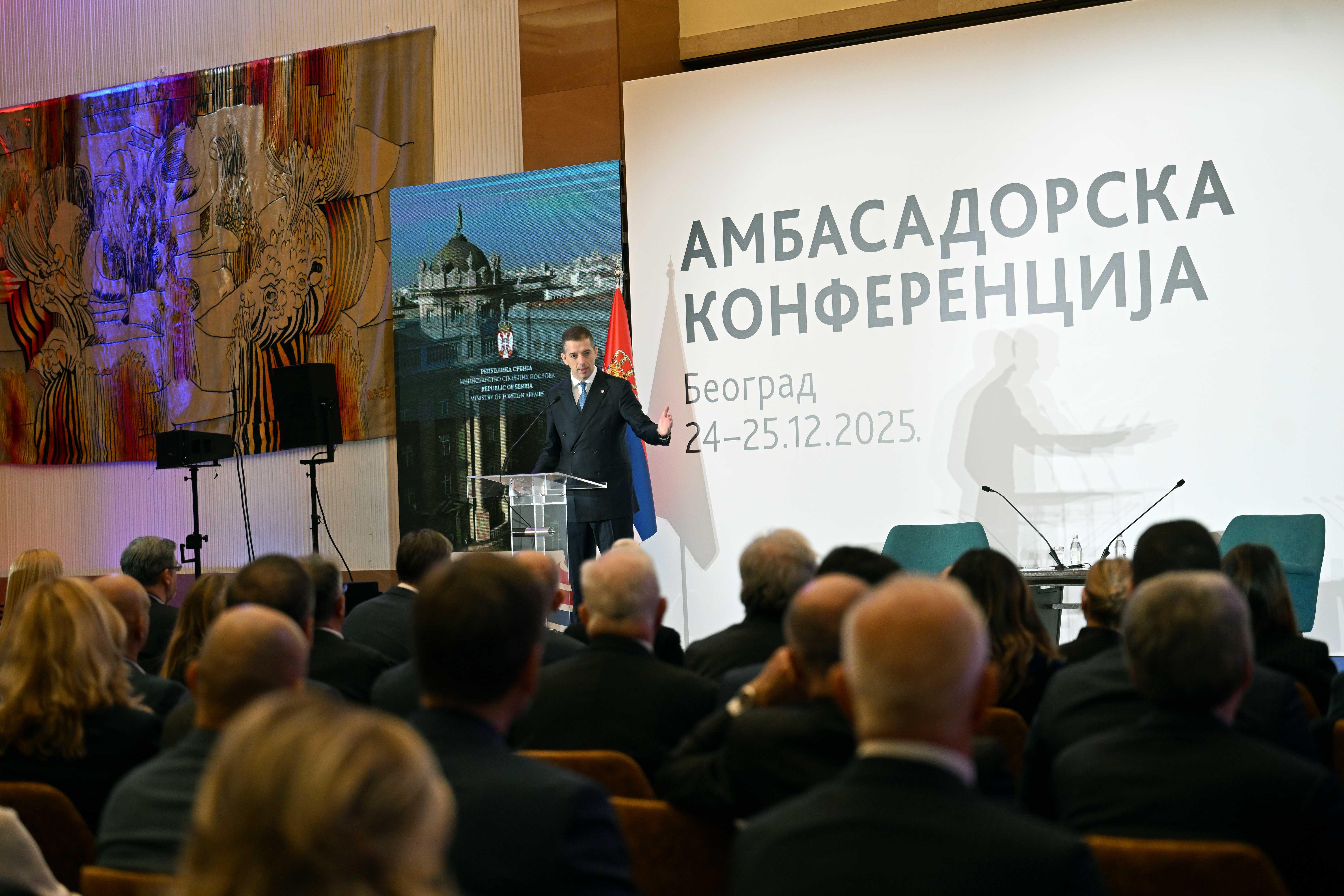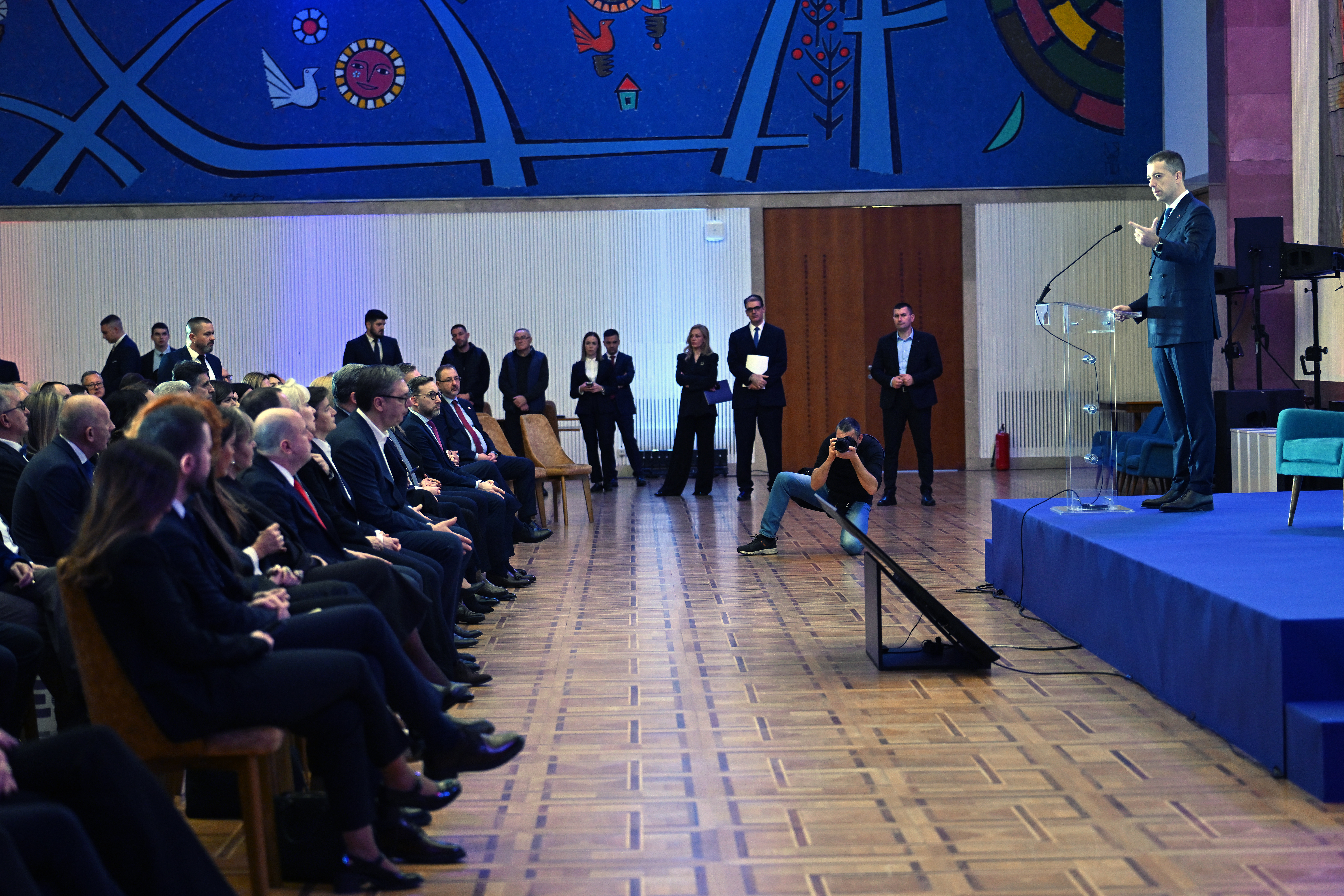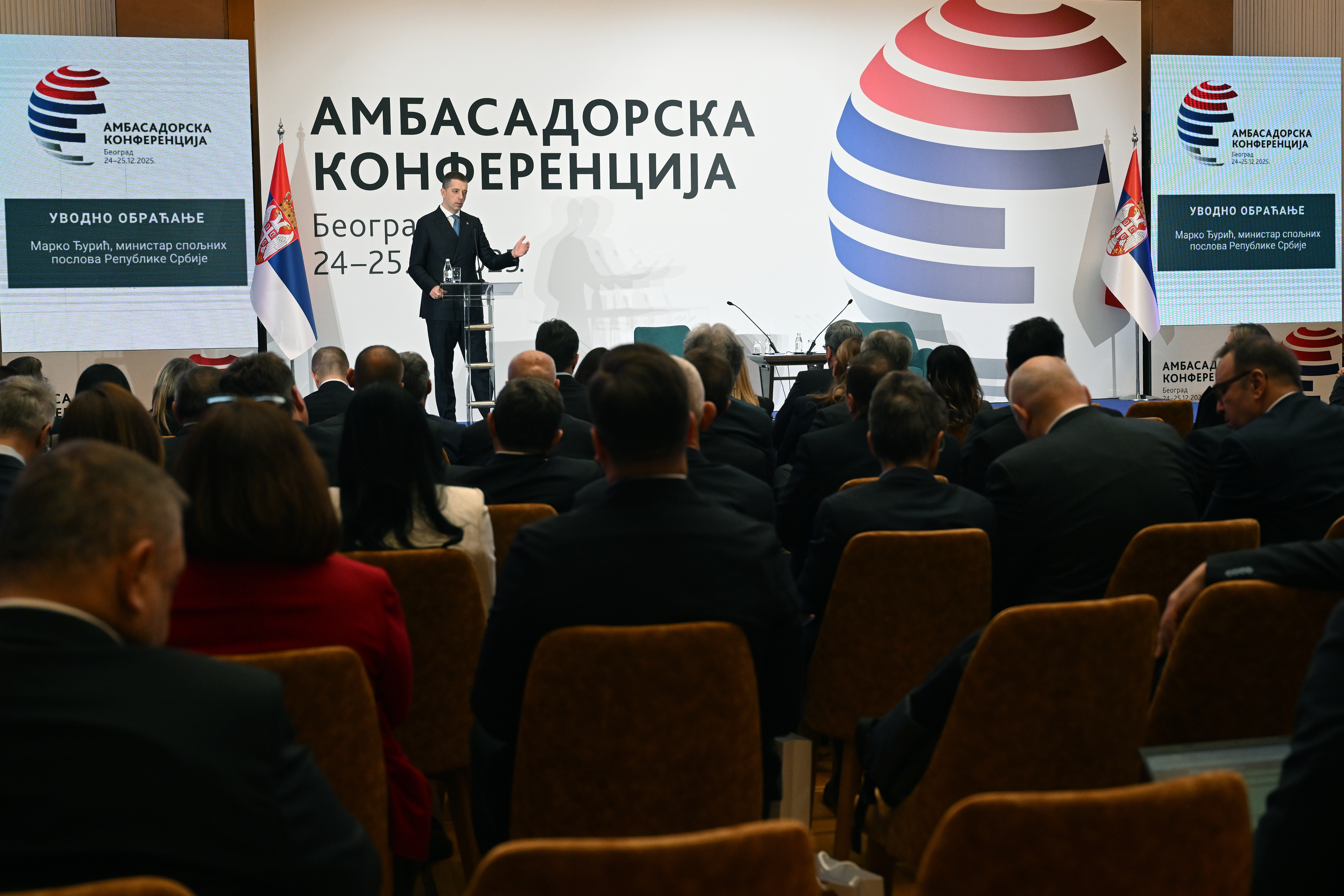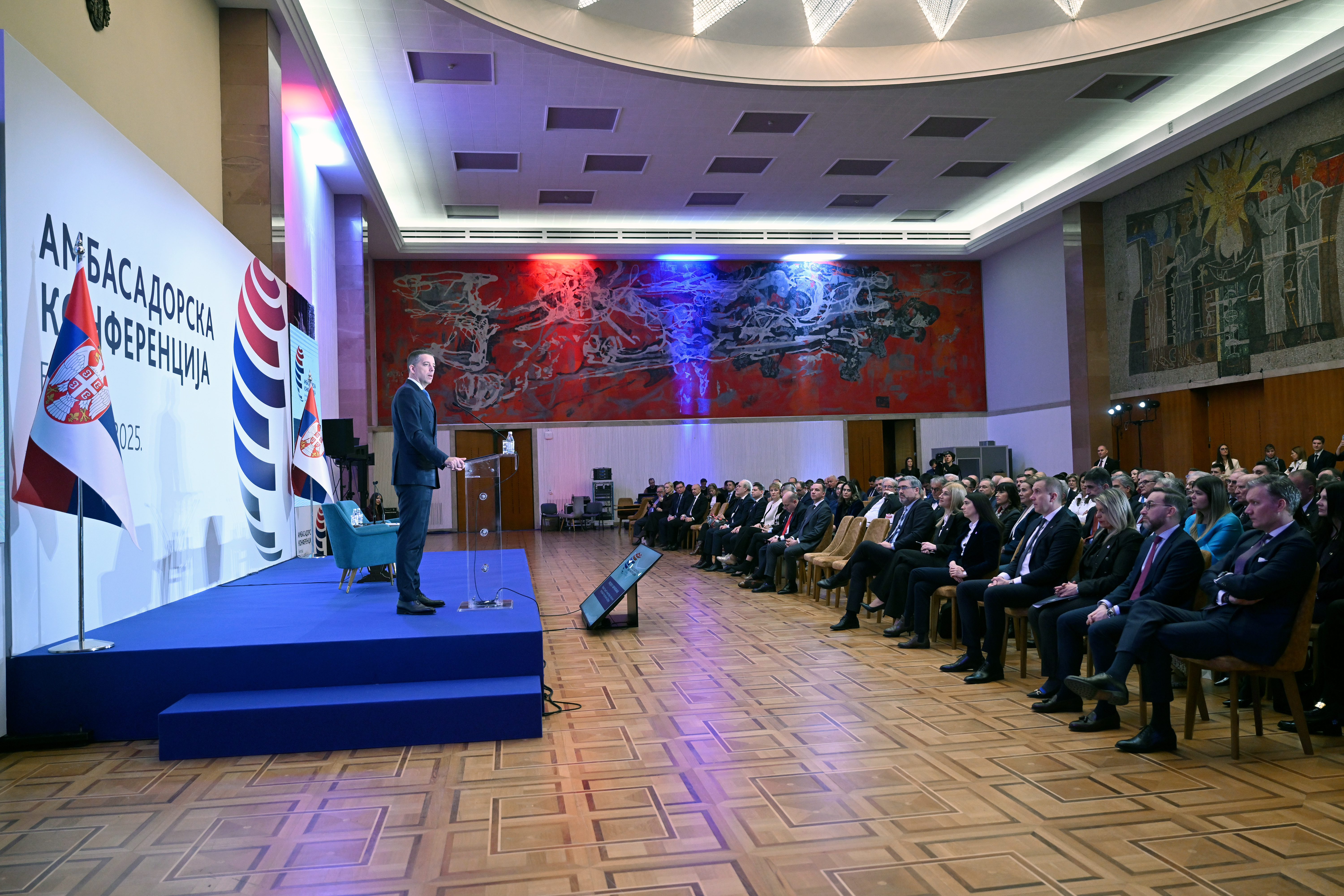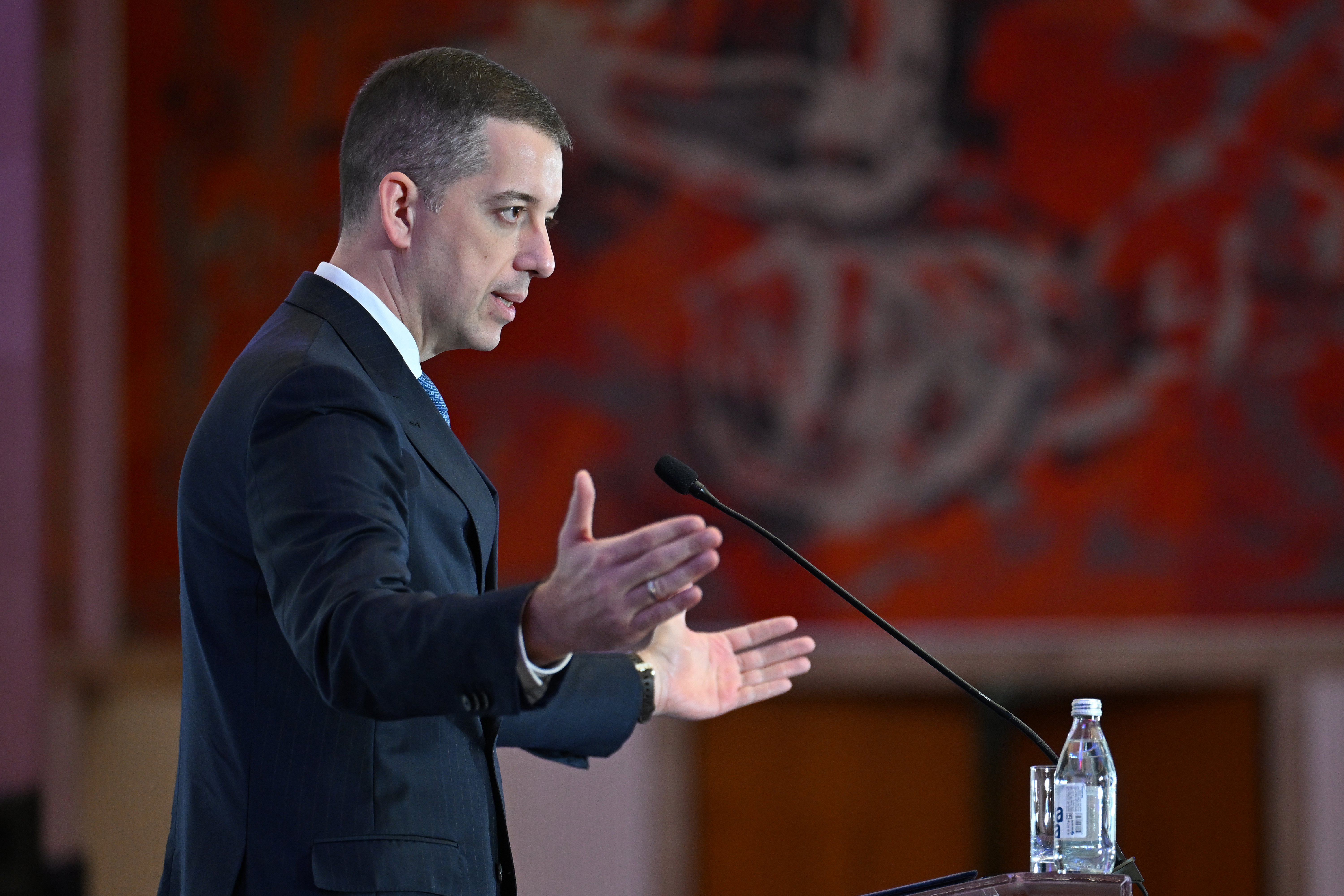

Đurić: Strengthening Human Resources and Public Diplomacy to Be Key Tasks of the MFA in 2026
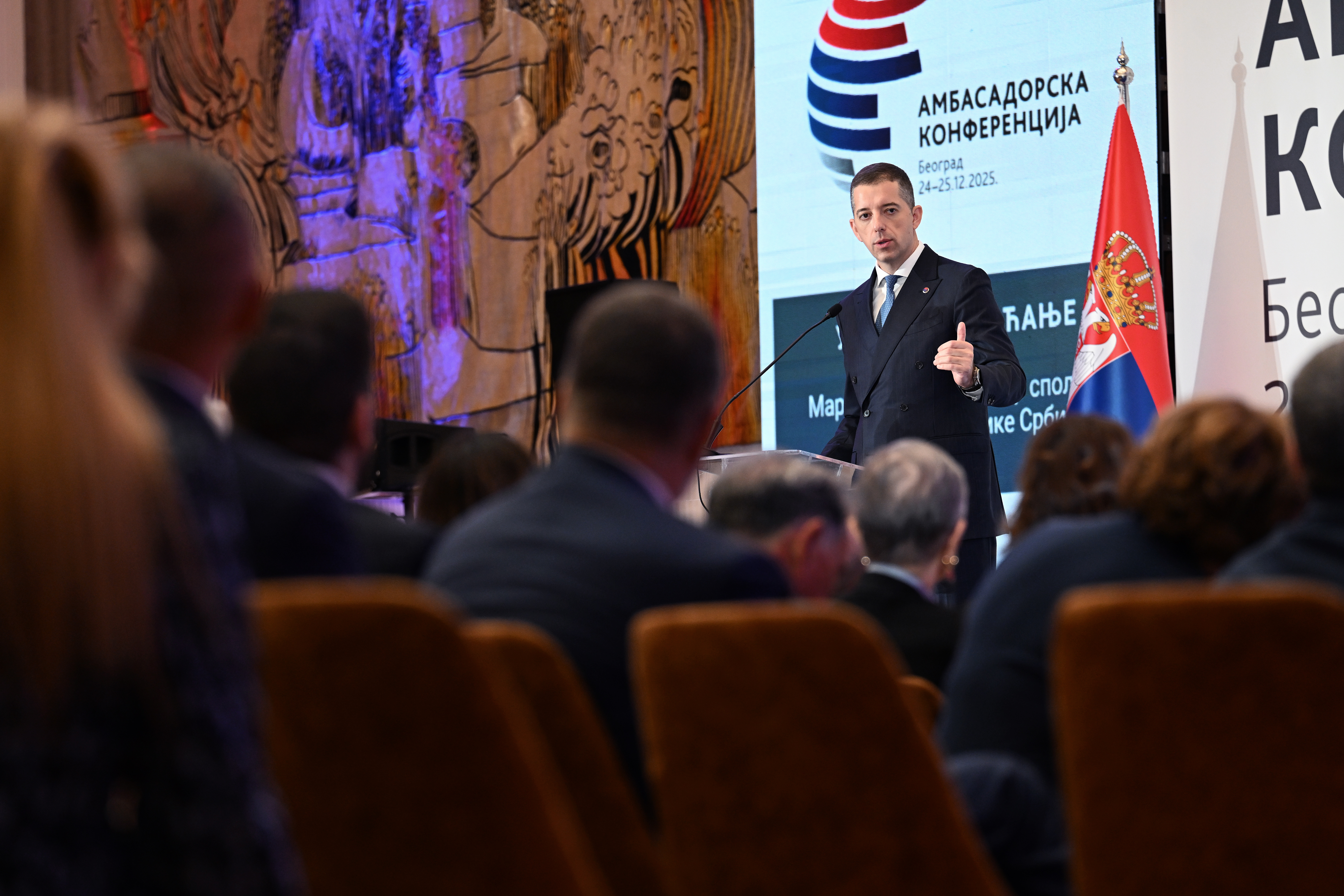
“At this moment, we have 103 diplomatic and consular missions worldwide—embassies, missions to international organizations, and consular offices. Including consular offices, the total number is somewhat higher; I believe it is 111. Given this scope and the level of priorities before us, we must significantly and decisively strengthen our human resources,” Đurić told the assembled Serbian diplomats.
He added that for many years there had not been large-scale recruitment of young and new staff. “That is why I am proud that we are beginning 2026 with a major public call, ‘Be a Serbian Diplomat,’ whose primary objective is to attract high-quality individuals, on meritocratic grounds, from diverse profiles and professional and personal backgrounds. These individuals will strengthen our diplomatic service as well as the Ministry’s technical services—both at headquarters and across our diplomatic and consular missions. We all know how much we need new, capable young diplomats, but also communications specialists, technical secretaries, and people with new skills required by the times in which we live,” Đurić said.
He recalled the words of Hannah Arendt that it is individuals who shape history when they act, and told diplomats that their role in these complex times is to be initiators of ideas and activities.
“Each of us holds our position because there is confidence and trust that we are capable of independently initiating processes, then managing, supervising, implementing, and bringing them to completion,” Đurić said.
He emphasized that additional attention in 2026 should be devoted to public diplomacy, noting that the pursuit of Serbia’s national interests today largely takes place in the public and virtual spheres. “All of us must shoulder a share of responsibility in this regard. Naturally, the effort is led by the President, the Government, and ministers, but heads of diplomatic and consular missions also bear a significant responsibility to present Serbia’s state positions clearly, concisely, persuasively, and articulately in their host countries,” Đurić said.
He added that there should be no hesitation in speaking clearly about the state’s national priorities.
“If our state policy—and it is—is to ensure that Kosovo and Metohija remains part of the Republic of Serbia, and to protect and advance the position of the Serbian people and other vulnerable ethnic communities in Kosovo and Metohija, then this must be presented skillfully, yet as a priority, to the broadest public in host countries, regardless of whether they recognize Kosovo or not. It goes without saying that this must be underpinned by thorough, on-the-ground engagement to inform political actors, institutional representatives, and officials about the concrete elements of the situation on the ground,” Đurić said.
He called on all Serbian diplomats abroad to contribute to the work of the newly established Center for Analytics and Instruction of the Ministry of Foreign Affairs.
“I believe this is an important nucleus for enhancing our state’s ability to anticipate and understand global developments and, through the synthesis and analysis of information arising from personal contacts, informal channels, and other sources not necessarily in the public domain, to provide valuable inputs to the state leadership. Together, we should contribute to ensuring that our policy is grounded in a clear understanding of where developments are heading—not only in international relations, but also in science, technology, culture, and other spheres of life,” Đurić concluded.
Source: Tanjug