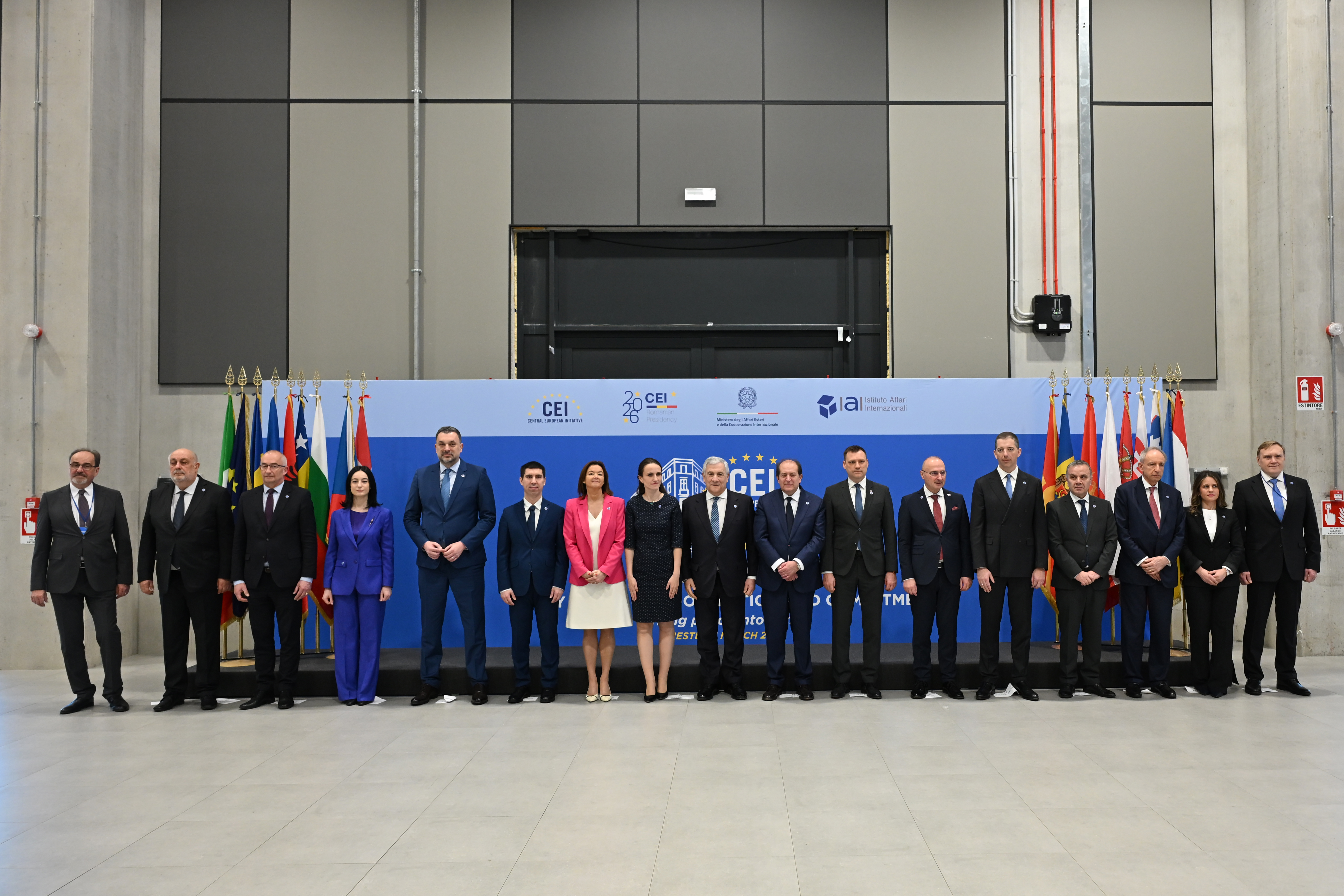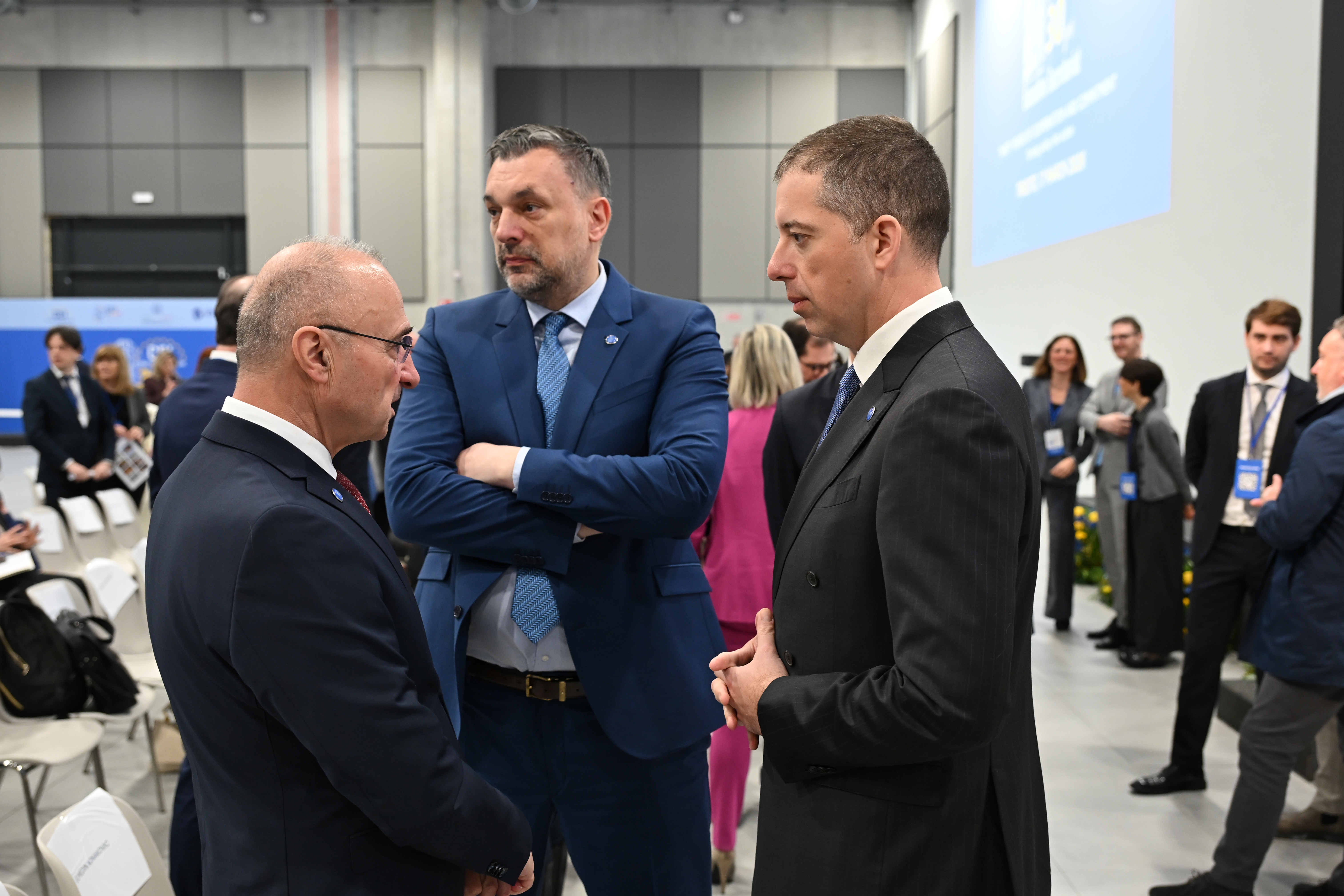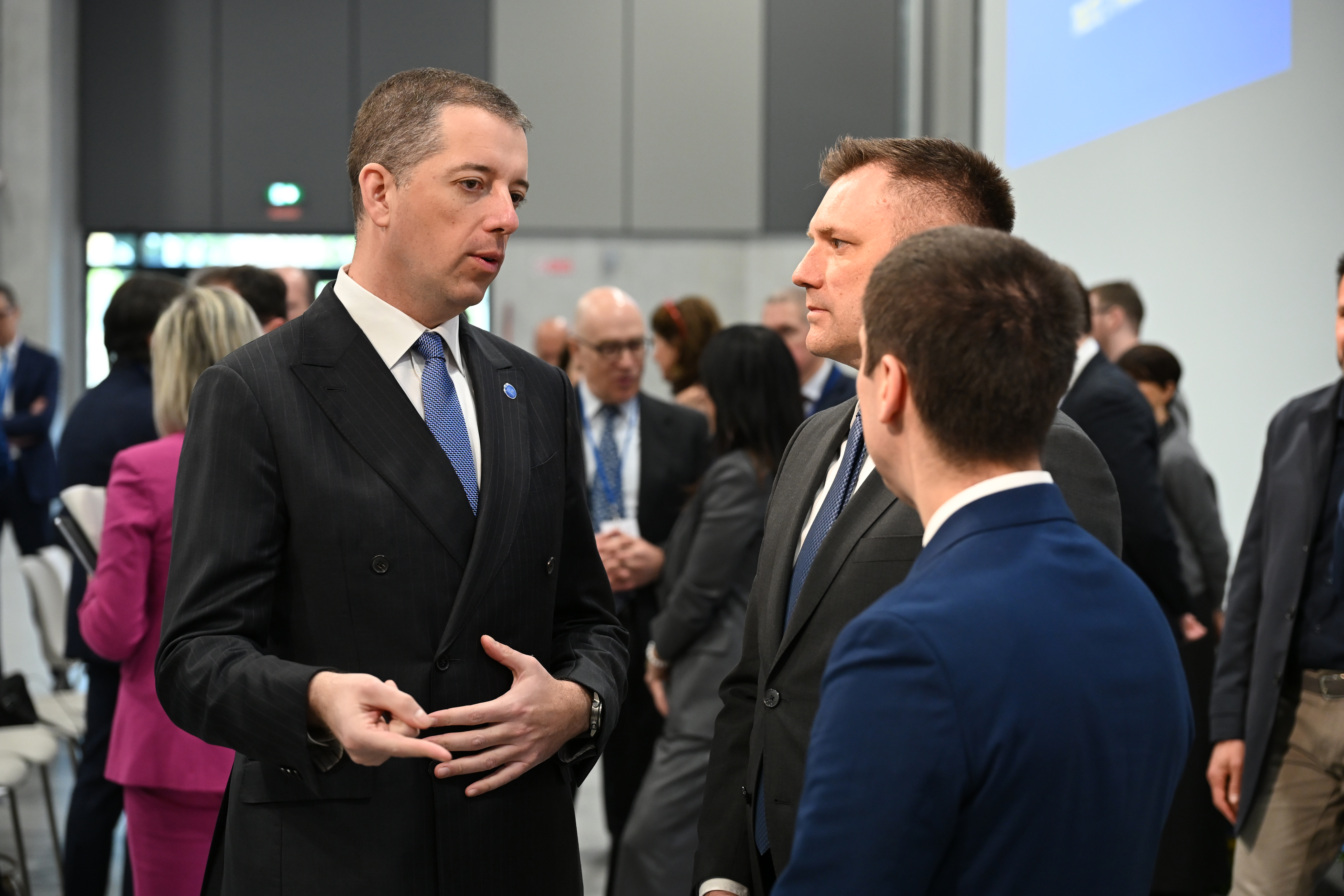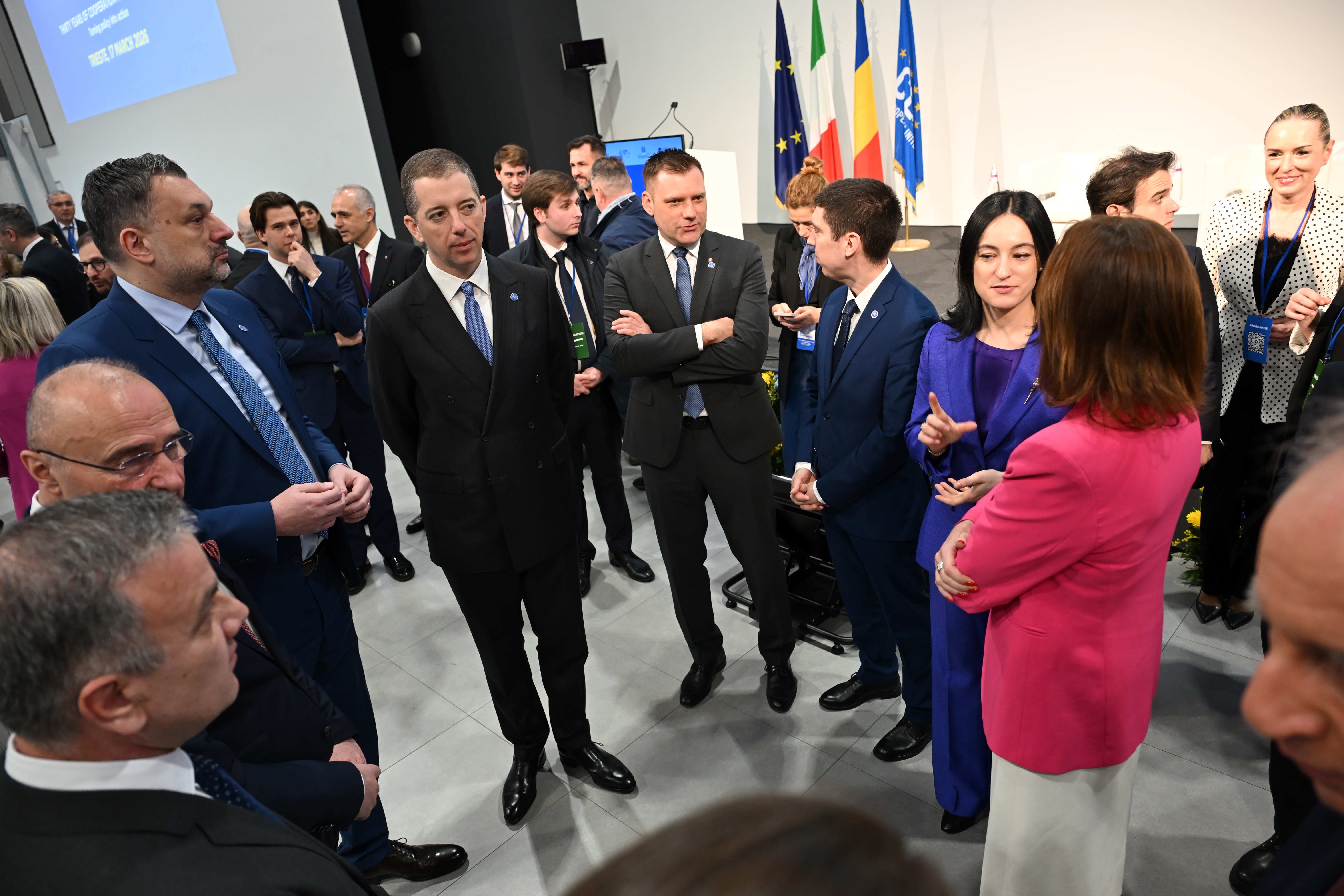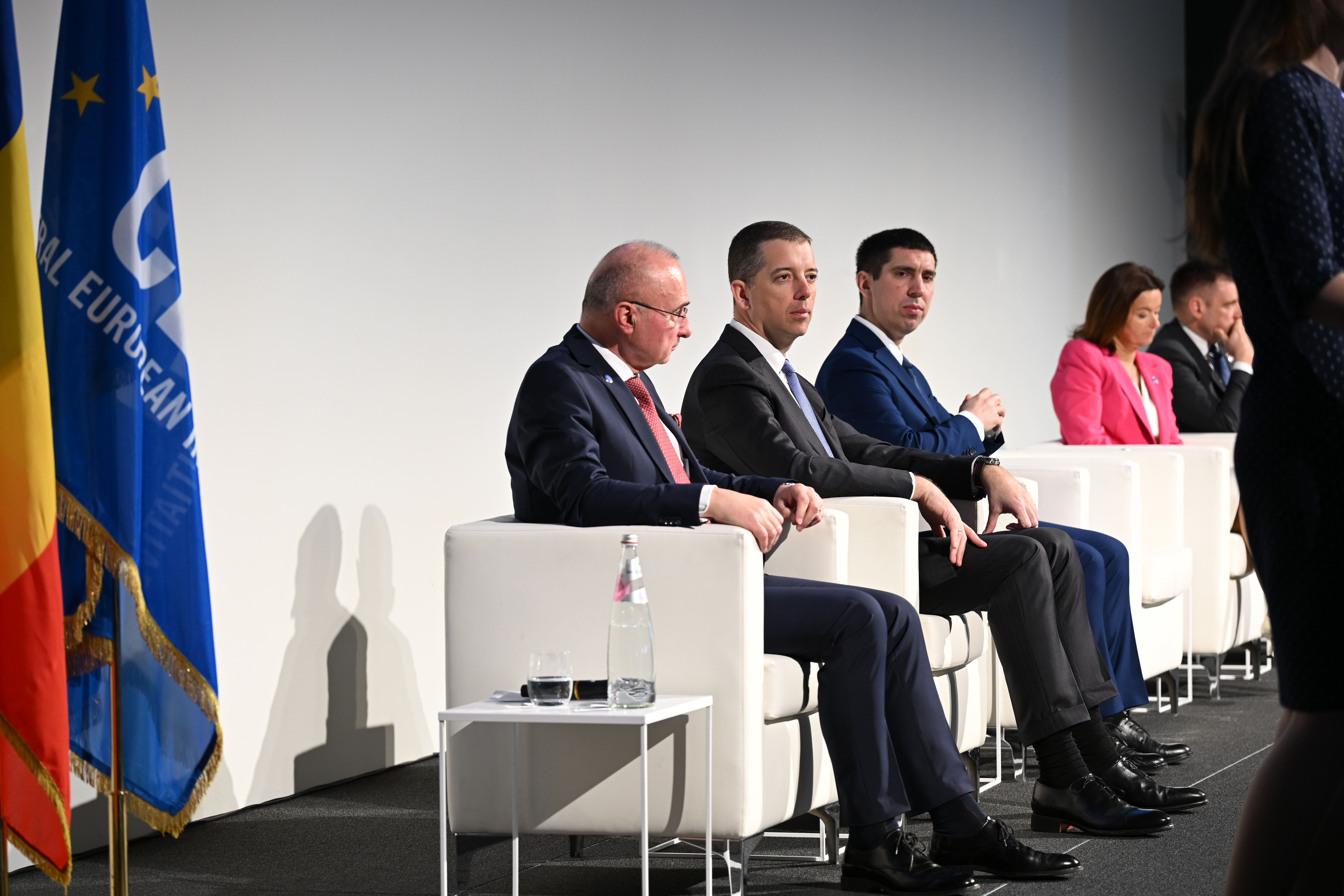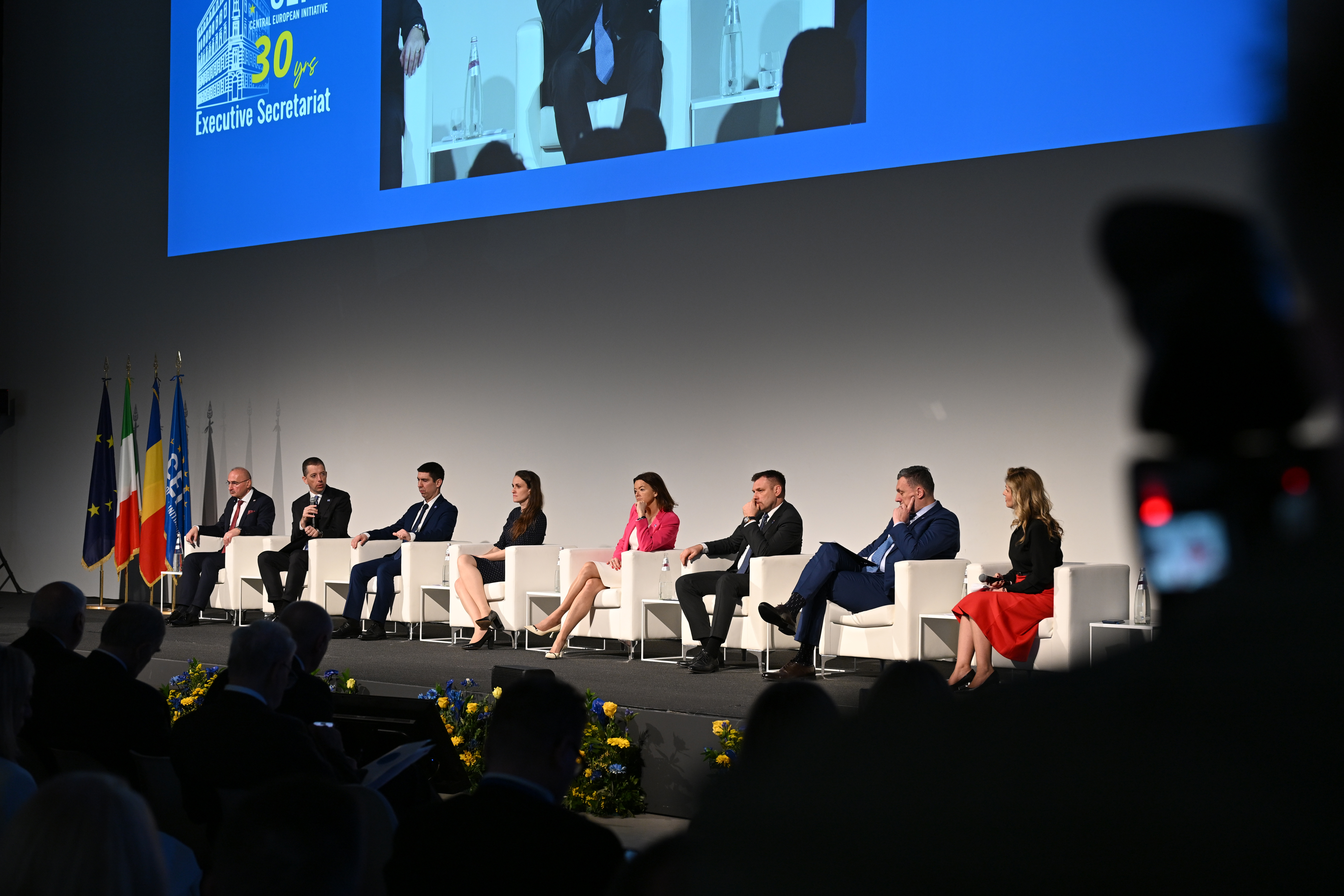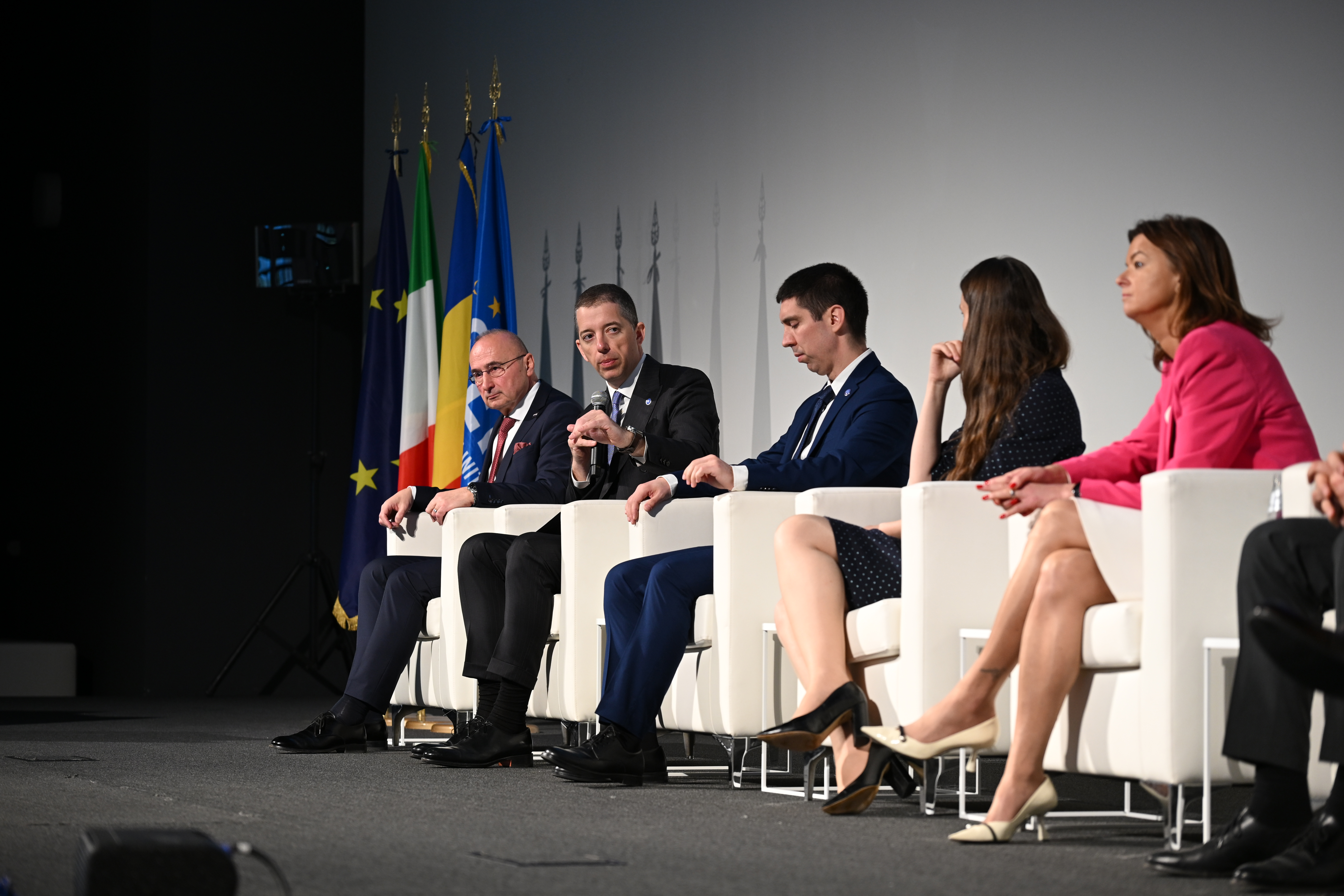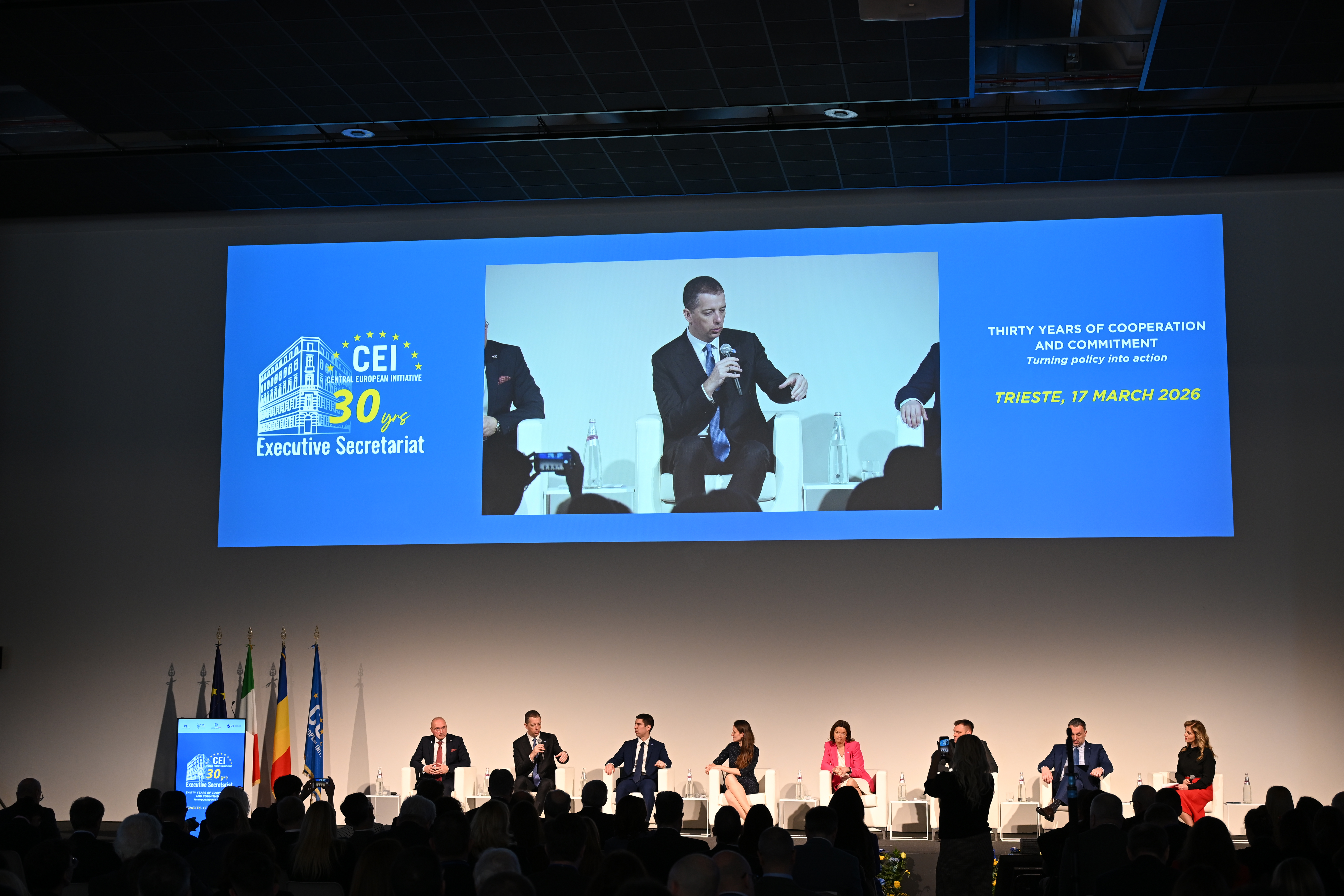

Đurić: CEI Activities of Great Importance for the EU Integration of the Western Balkans
Minister Đurić emphasized the need to support such initiatives, as they contribute to bringing the Western Balkans region closer to other parts of Europe that are not yet part of the European Union.
He highlighted that Serbia, as a country accounting for approximately 53 percent of the Western Balkans’ economy, remains passionately committed to European Union membership, with full awareness of the complexity of the reform process and political decision-making. He added that the fact that the region has not yet been integrated into the EU represents a challenge both for the region itself and for Europe as a whole. He also pointed out that Ukraine’s membership carries significant potential and should be realized in the near future.
Speaking about priorities, Đurić noted that preserving peace and stability, as well as achieving economic progress, are Serbia’s key objectives in the current year, placing particular emphasis on the importance of infrastructure connectivity. He underlined that projects such as the railway connection of the Balkans with Trieste, from Belgrade through Croatia and Slovenia, as well as the modernization of existing railway lines, represent an important contribution to enhanced regional connectivity.
He assessed that the Central European Initiative should be further strengthened with new substantive content, stressing that Serbia stands ready to actively contribute to this effort. In this context, he also pointed to the importance of accelerating European integration through concrete measures, such as the free movement of goods, capital, people, and services.
Đurić emphasized that the inclusion of the Western Balkans region in the Schengen Area would contribute to reducing the external borders of Schengen and would not lead to an increased risk of illegal migration; rather, it would have a positive impact on interethnic relations and the overall climate in the region by enabling freer movement of people.
He also recalled that the President of Serbia, Aleksandar Vučić, and the Prime Minister of Albania, Edi Rama, have put forward an initiative to accelerate the accession process, highlighting the importance of taking concrete steps toward the integration of the region.
The head of Serbian diplomacy stressed that the Central European Initiative represents a platform that nurtures the diversity of national identities, expressing gratitude to the Italian hosts for their contribution to preserving cultural and spiritual heritage, as well as for the long-standing protection of the Dečani Monastery in Kosovo and Metohija.