
Kozarev on a Working Visit to Switzerland
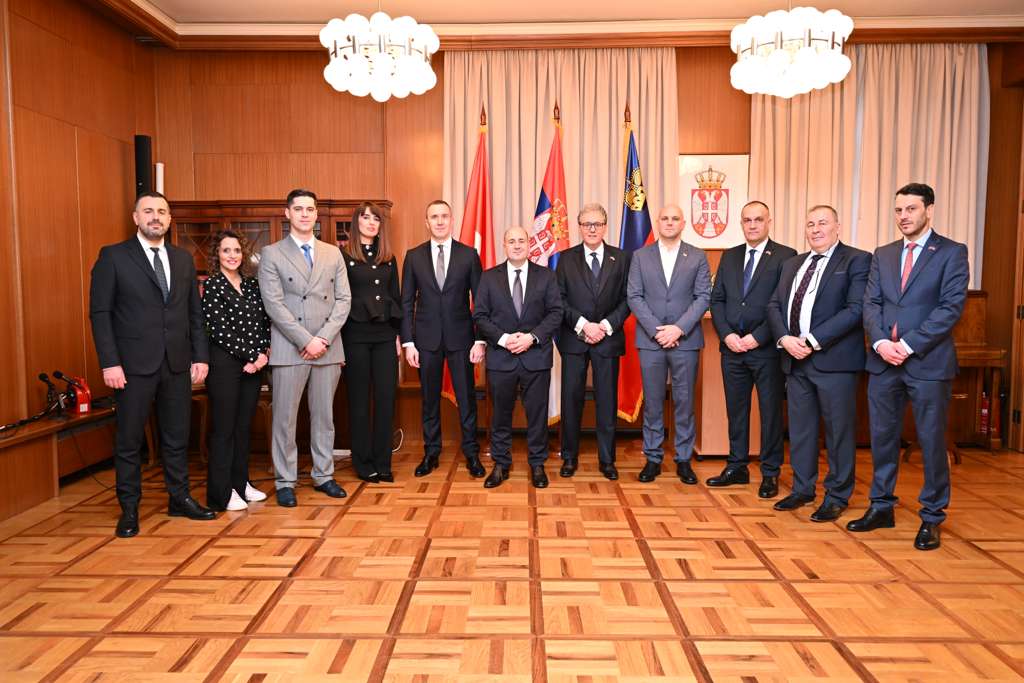
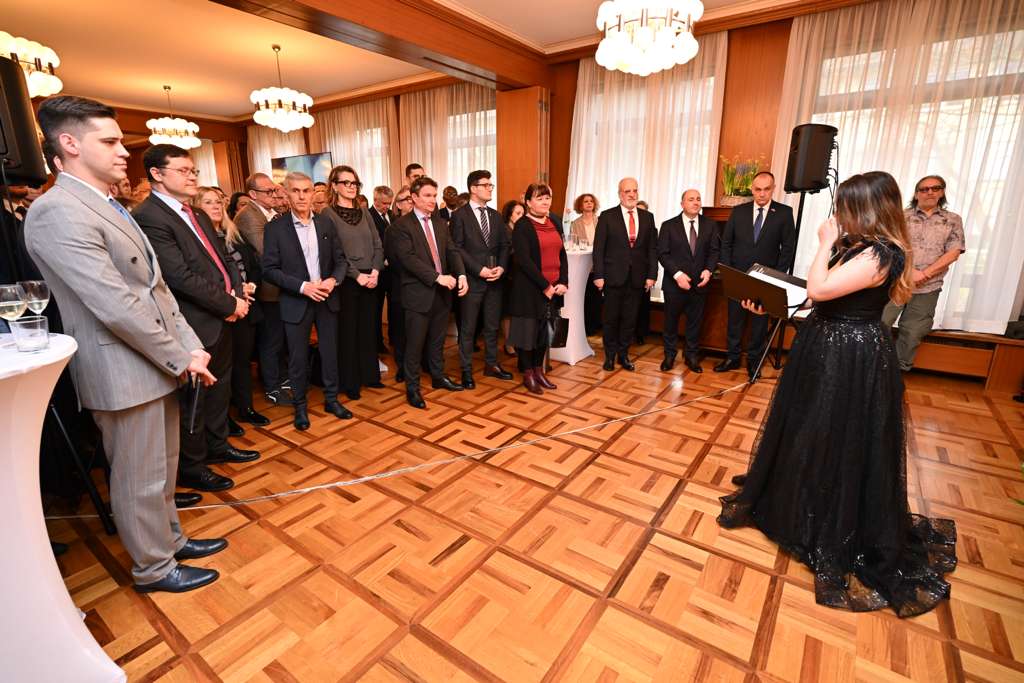
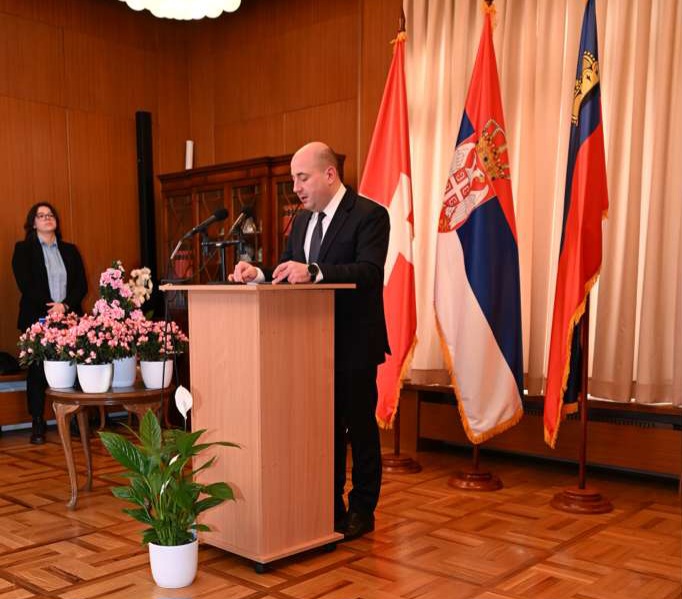
The ceremony was attended by Swiss officials, members of the diplomatic corps, and representatives of the Serbian diaspora.
In his address, Kozarev conveyed greetings on behalf of the Ministry of Foreign Affairs and Minister Marko Đurić, emphasizing that for the Serbian people this day represents a celebration of freedom and pride in the illustrious ancestors who, on that date in 1804, initiated the struggle for liberation from Ottoman rule. Thirty-one years later, on 15 February 1835, Serbia adopted its first modern constitution — the Sretenje Constitution.
He underscored that this year Serbia and Switzerland mark 110 years since the establishment of diplomatic relations. By decree of the then Regent Alexander Karađorđević in 1916, Slavko Grujić was appointed the first Serbian envoy to Switzerland.
Kozarev assessed that Serbian-Swiss ties are not based solely on formal diplomatic relations, but on a longstanding partnership and genuine friendship. Under the leadership of Presidents Aleksandar Vučić and Guy Parmelin, the two countries have been developing an intensive political dialogue at the highest and senior levels.
The results of these efforts, in addition to their political dimension, are reflected in the strengthening of economic cooperation. This is evidenced by the fact that Serbia and Switzerland achieved a record level of trade exchange last year, exceeding one billion euros, representing growth of nearly 35 percent compared to the previous year.
He reiterated his gratitude to Swiss partners for confirming their participation in Specialized Expo 2027 in Belgrade, which Serbia greatly appreciates — particularly given that Switzerland was the first country to confirm its participation in this significant international event, for which more than 130 countries have already registered.
Kozarev emphasized that a special contribution to the overall development of relations between Serbia and Switzerland is made by Serbian nationals living in Switzerland, who serve as a bridge between the two countries.
Bearing in mind the importance both Serbia and Switzerland attach to respect for the rule of law and the protection of fundamental human rights, he pointed to the very difficult position of the Serbian population in Kosovo and Metohija, which, he stated, is continuously subjected to repression and discrimination by the regime of Albin Kurti, as well as to the endangerment of Christian cultural heritage located in that area. He noted that this constitutes Serbia’s most important national issue and expressed appreciation for Swiss support in this regard.
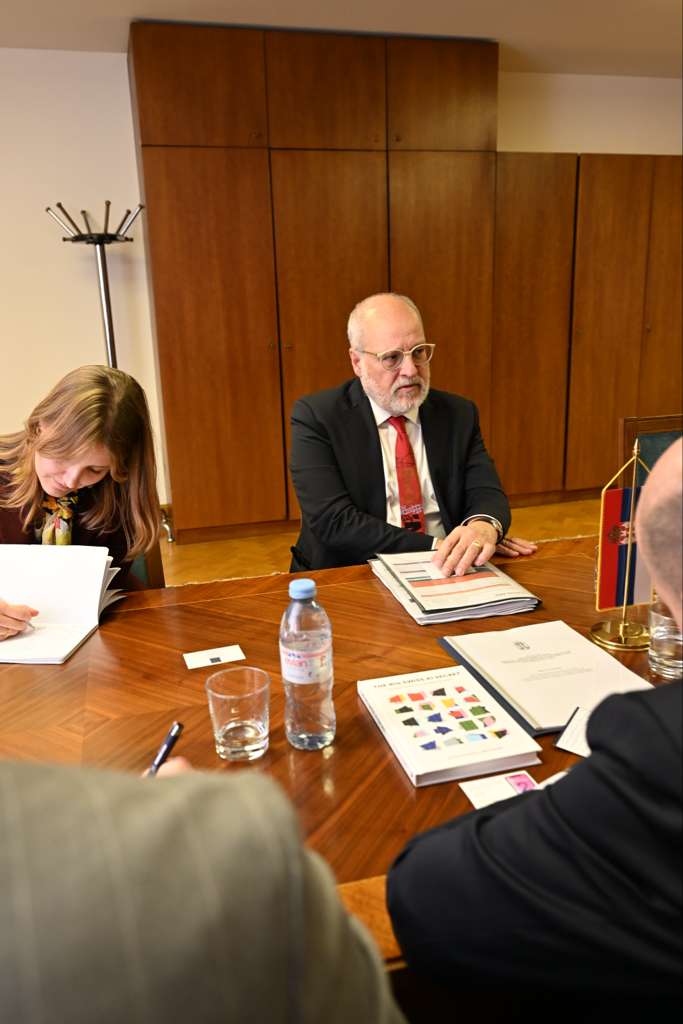
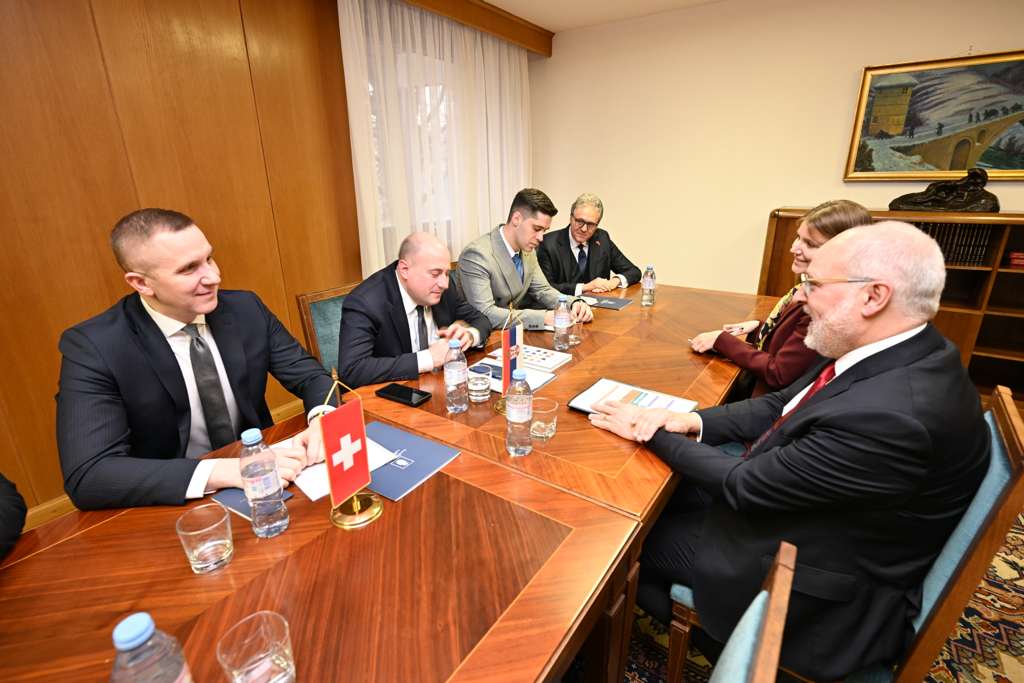
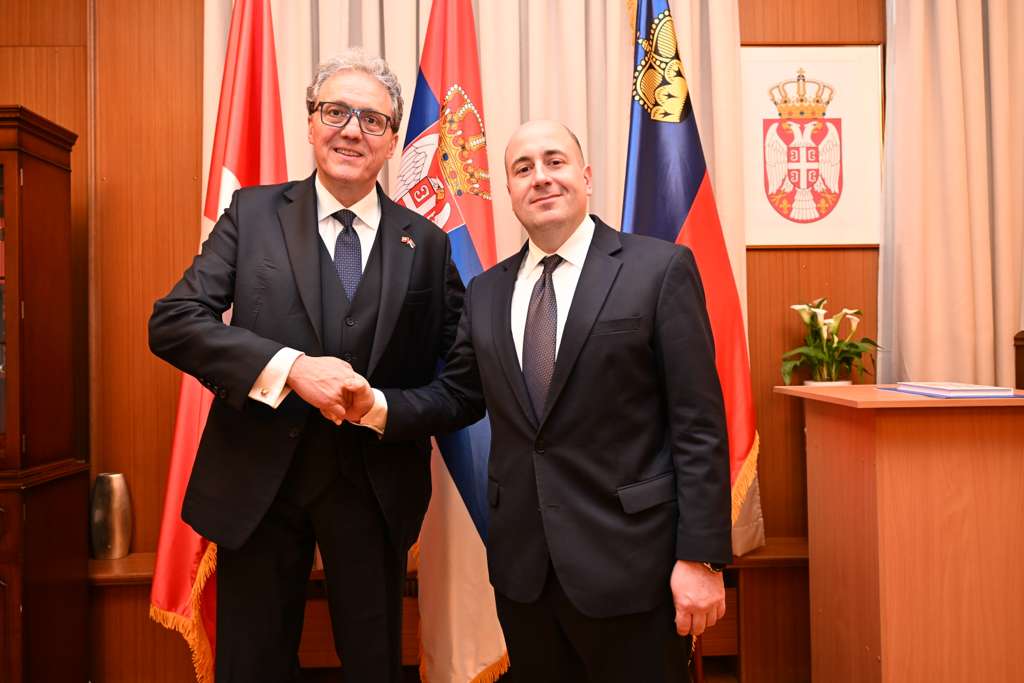
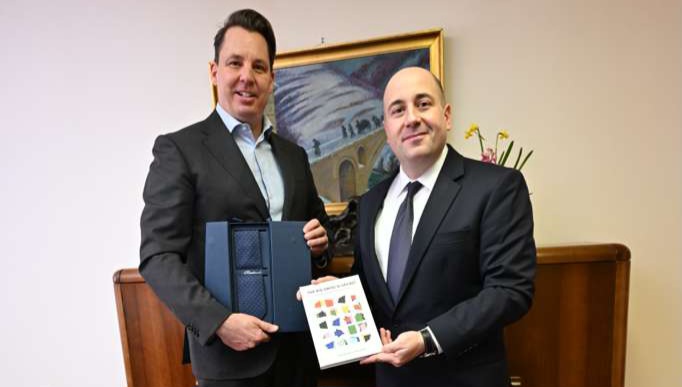
During his visit to Switzerland, Kozarev held talks with State Secretary of the Federal Department of Foreign Affairs Alexandre Fasel, as well as with Alexander Brunner, an expert in digital technologies and finance and adviser to Swiss governmental institutions in these fields.
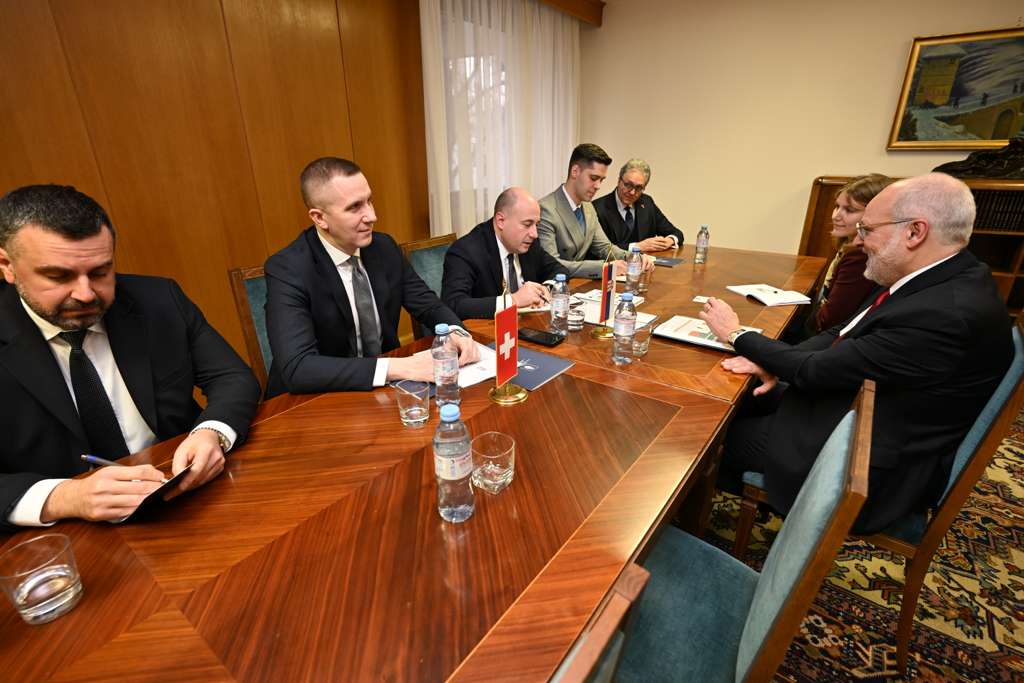
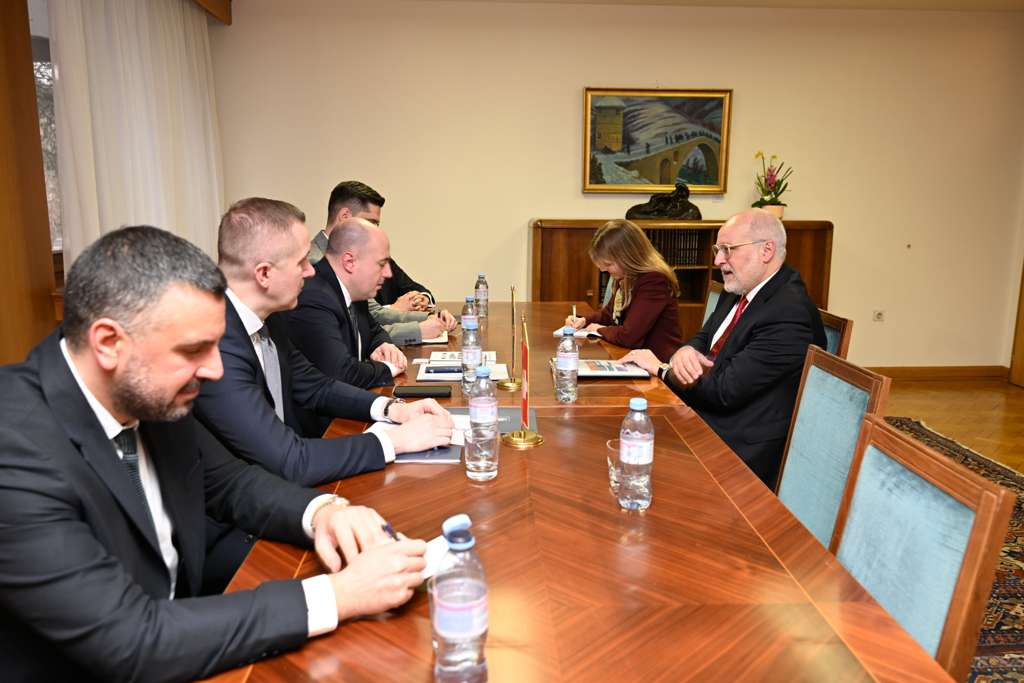
In discussions with State Secretary Fasel, current issues in bilateral relations were reviewed. In this context, readiness was confirmed to further develop cooperation through intensified political dialogue. Fasel highlighted the importance of the upcoming visit of Swiss President Guy Parmelin to Serbia in April of this year. It was noted that Serbia and Switzerland share similar positions in an increasingly polarized world by pursuing balanced policies. The interlocutors also addressed opportunities for further strengthening economic ties, identifying science and technology among the priority areas.
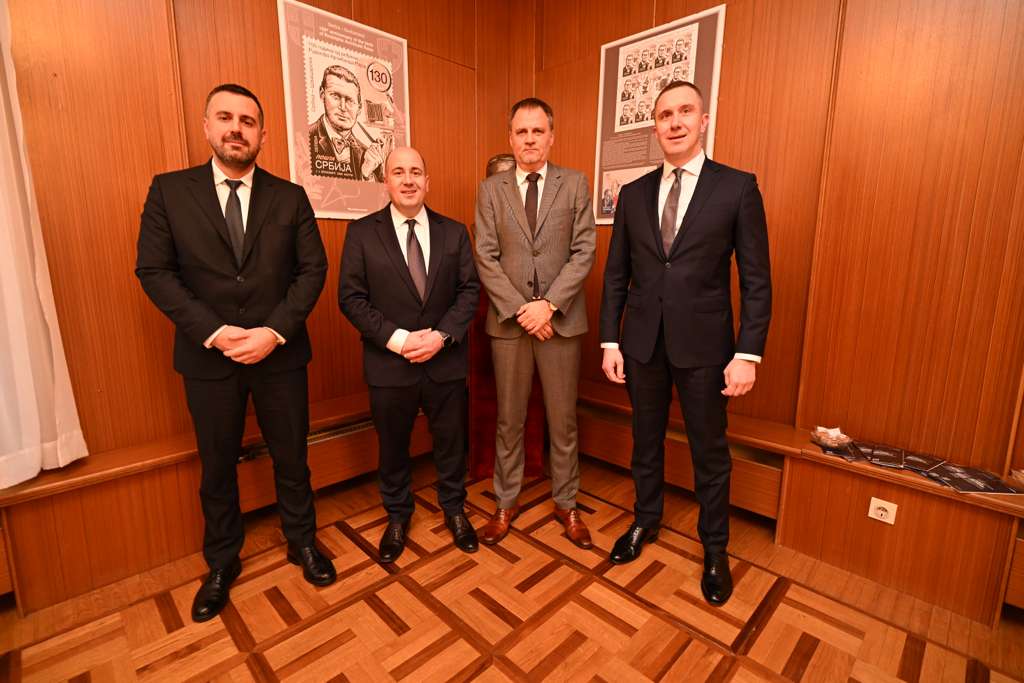
At the meeting with digital technologies and finance expert Brunner, opportunities for cooperation in the field of artificial intelligence were examined, as this area is becoming increasingly present across various spheres of life and business. Kozarev stated that the Government of Serbia closely monitors and actively participates in current international developments in the field of artificial intelligence. It was jointly assessed that in the coming years, effective communication between governments in this domain will be crucial in defining appropriate policies and strategies to harness the benefits offered by artificial intelligence in the best possible manner.