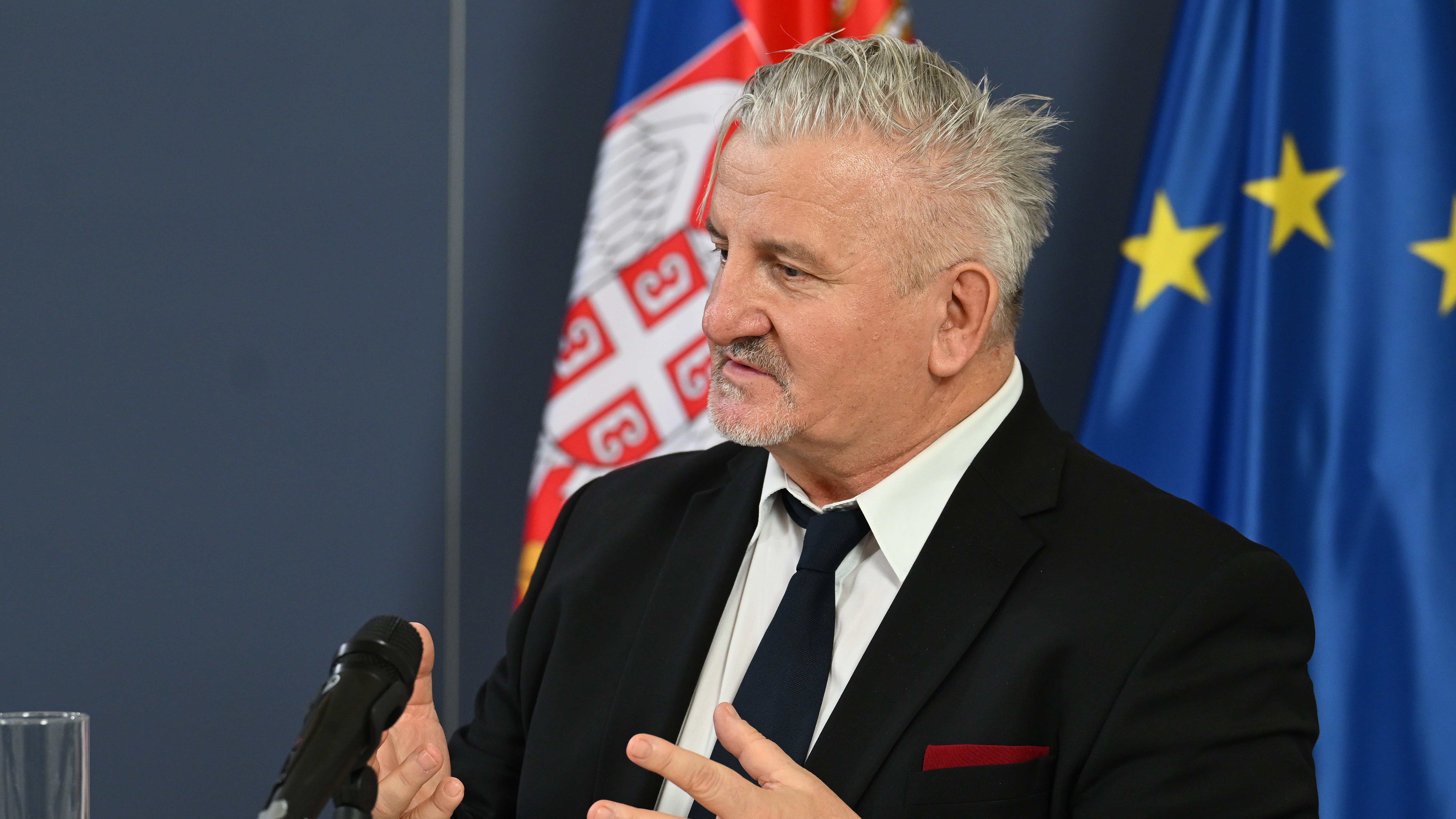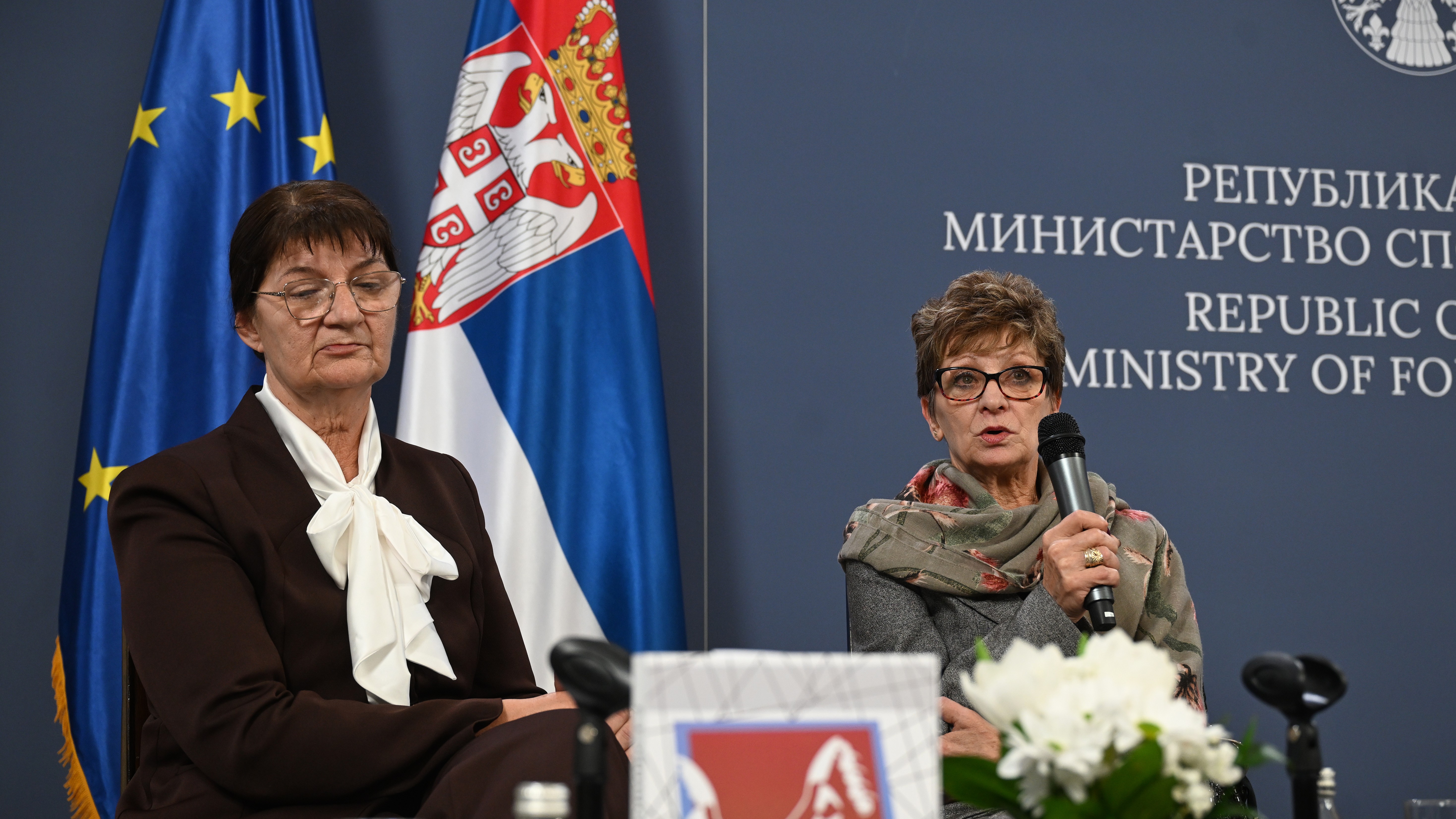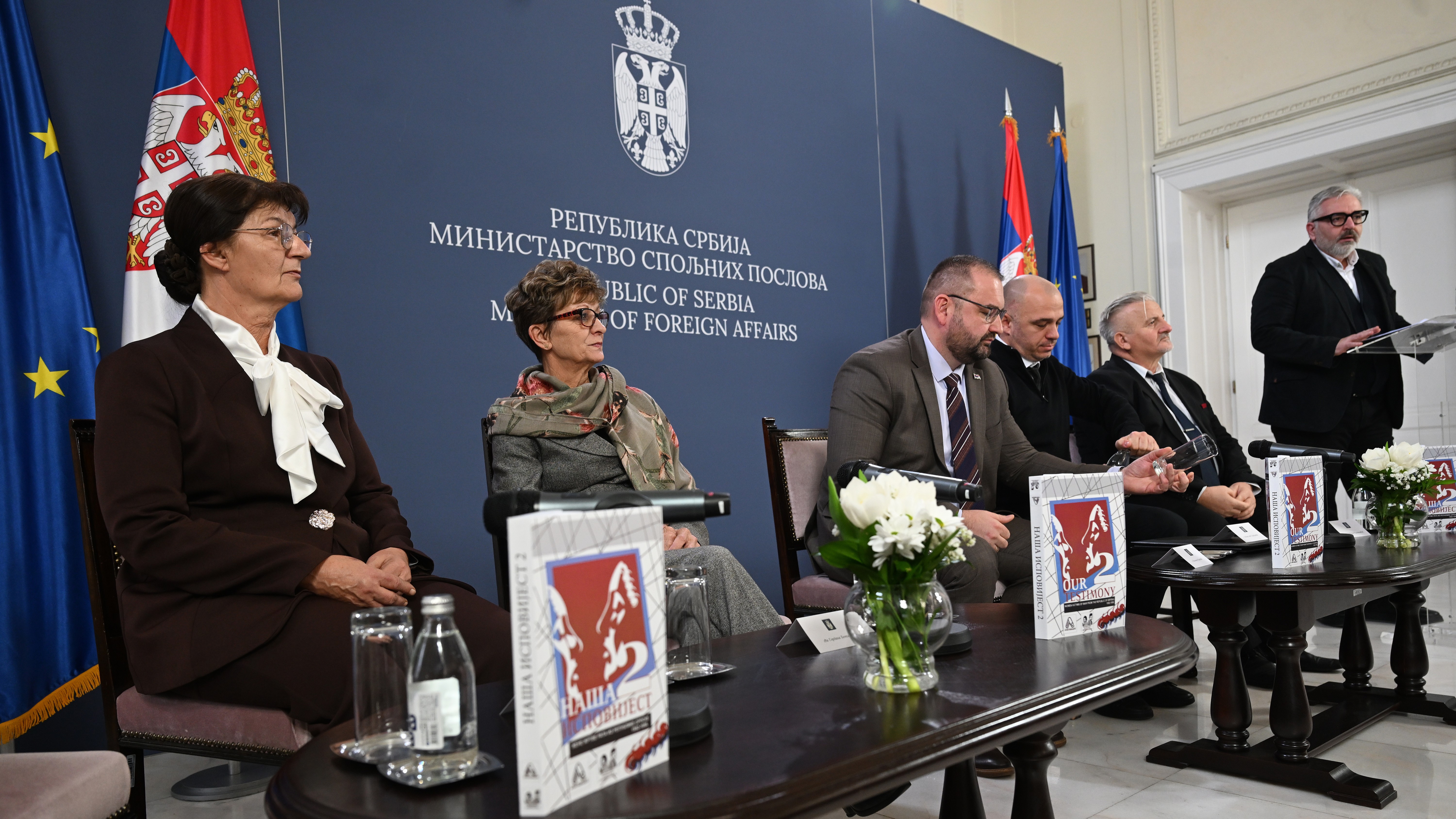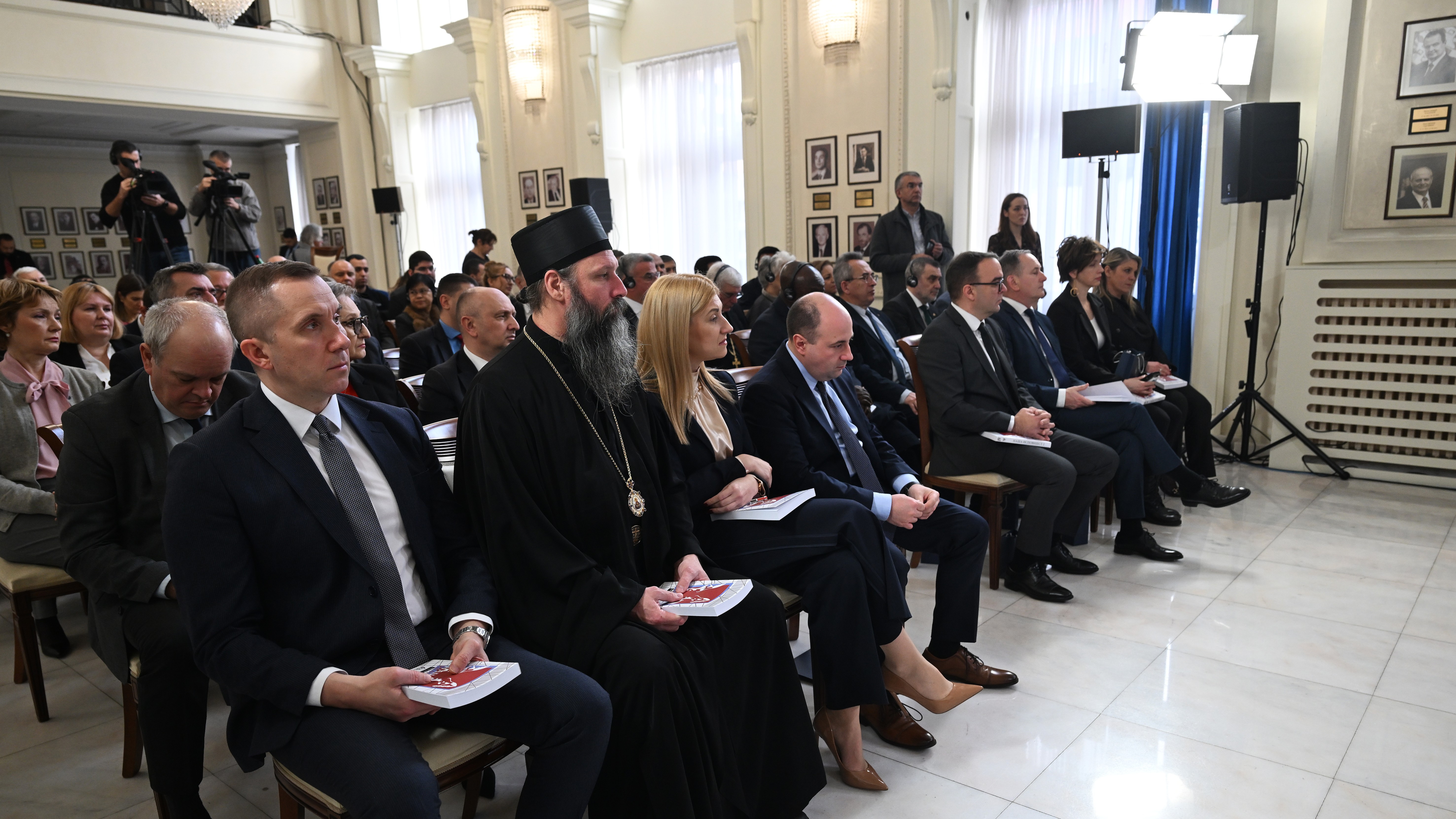

Kozarev: Truth and justice are preconditions for reconciliation and the future
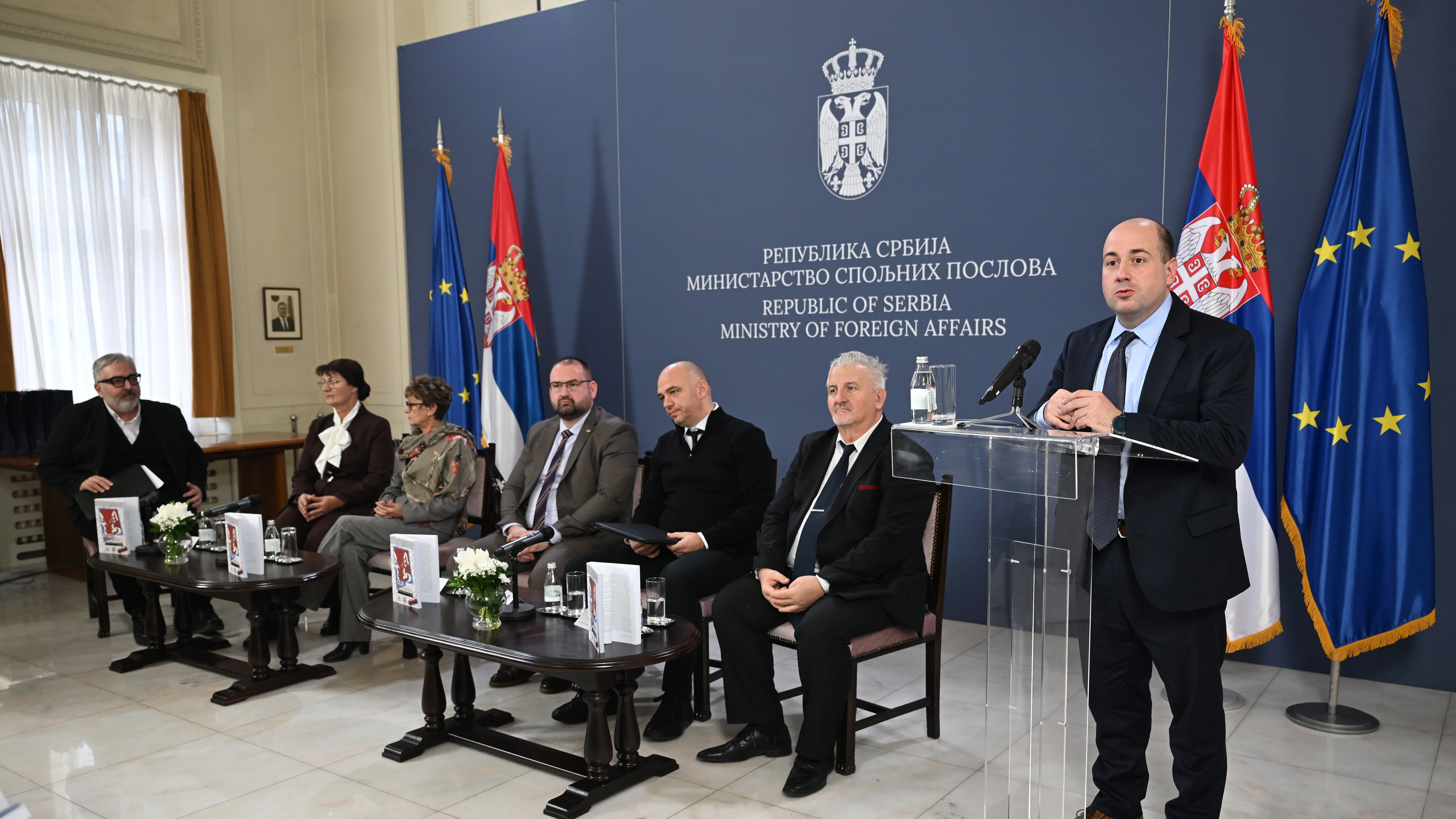
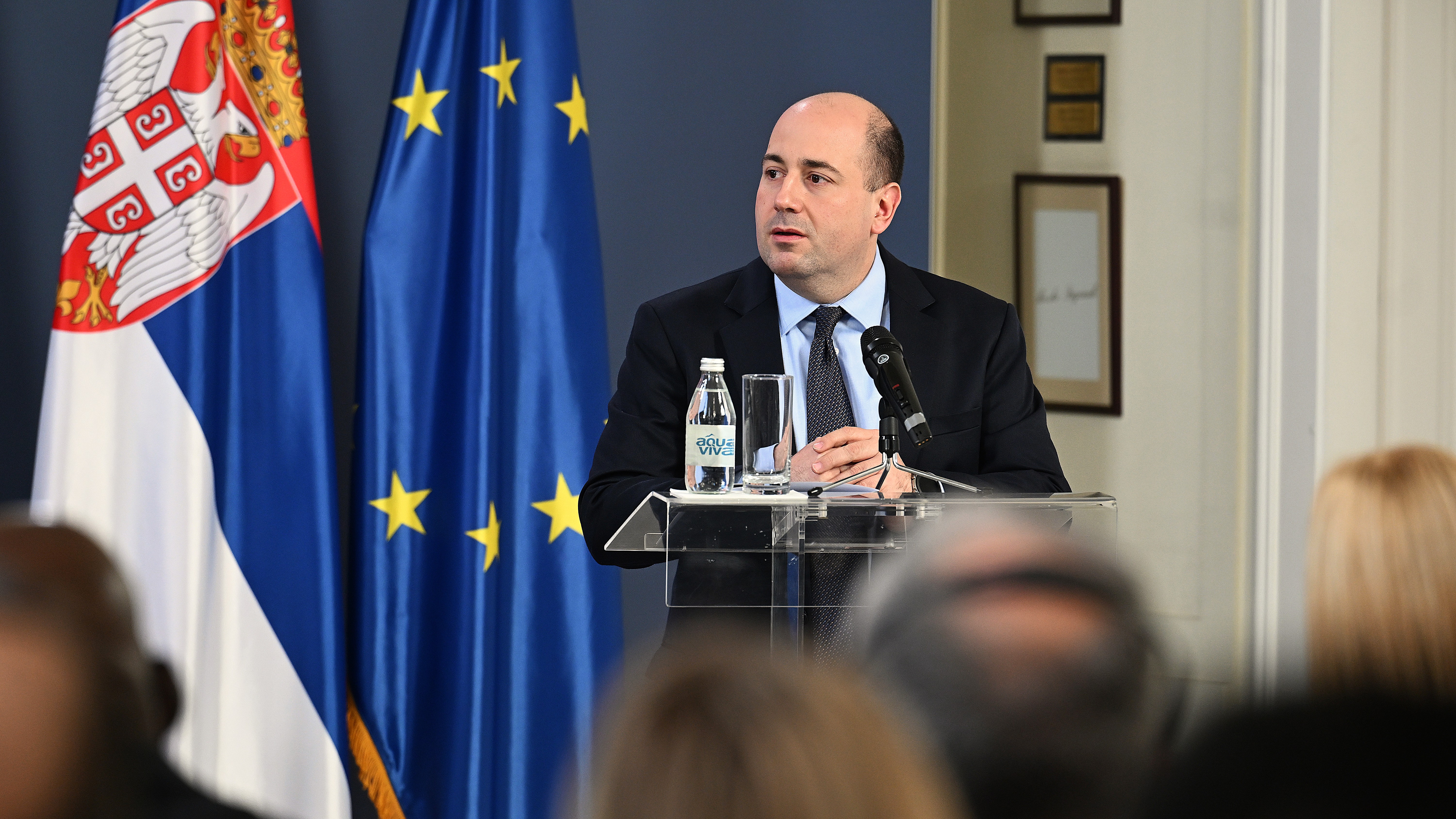
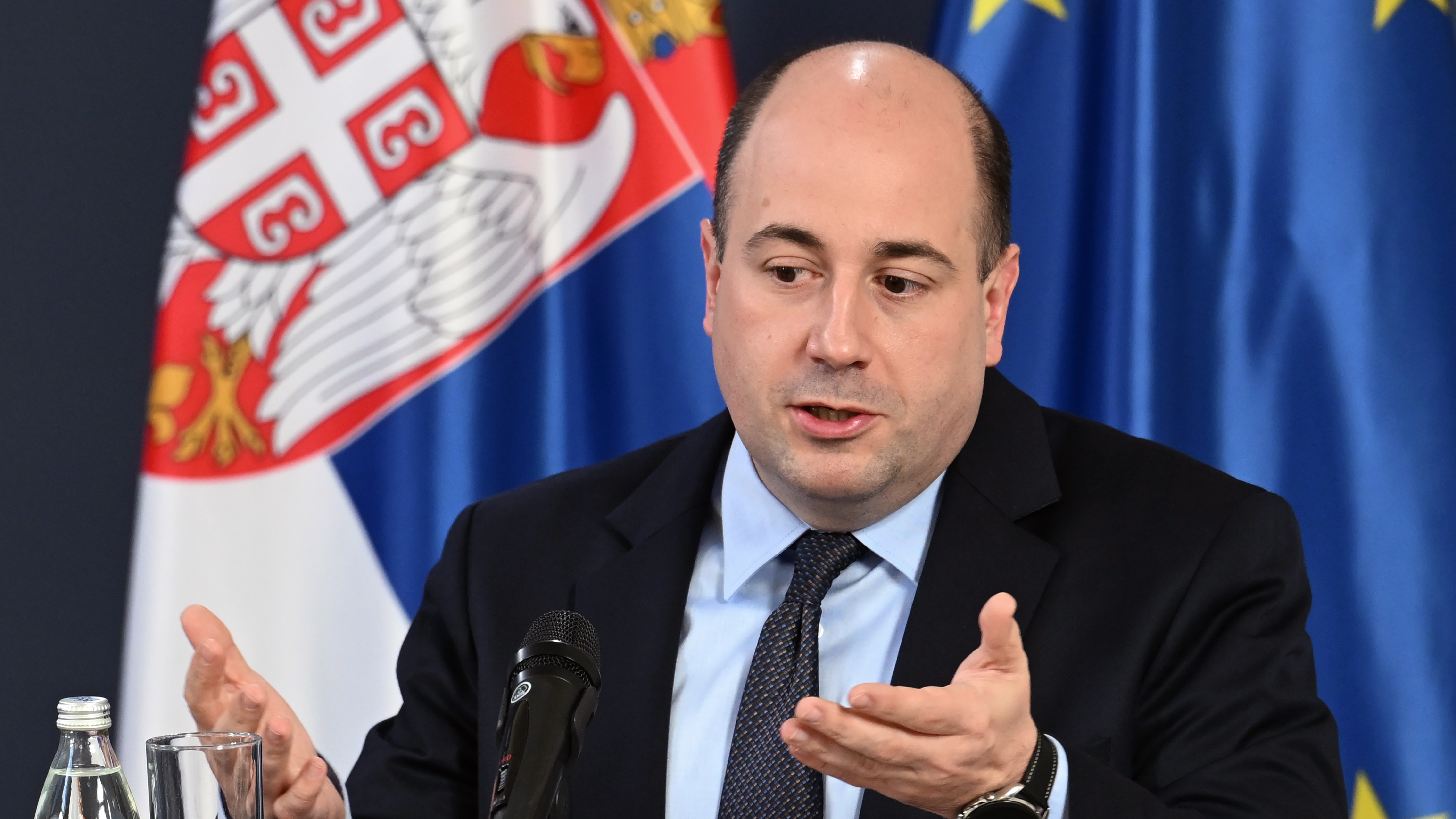
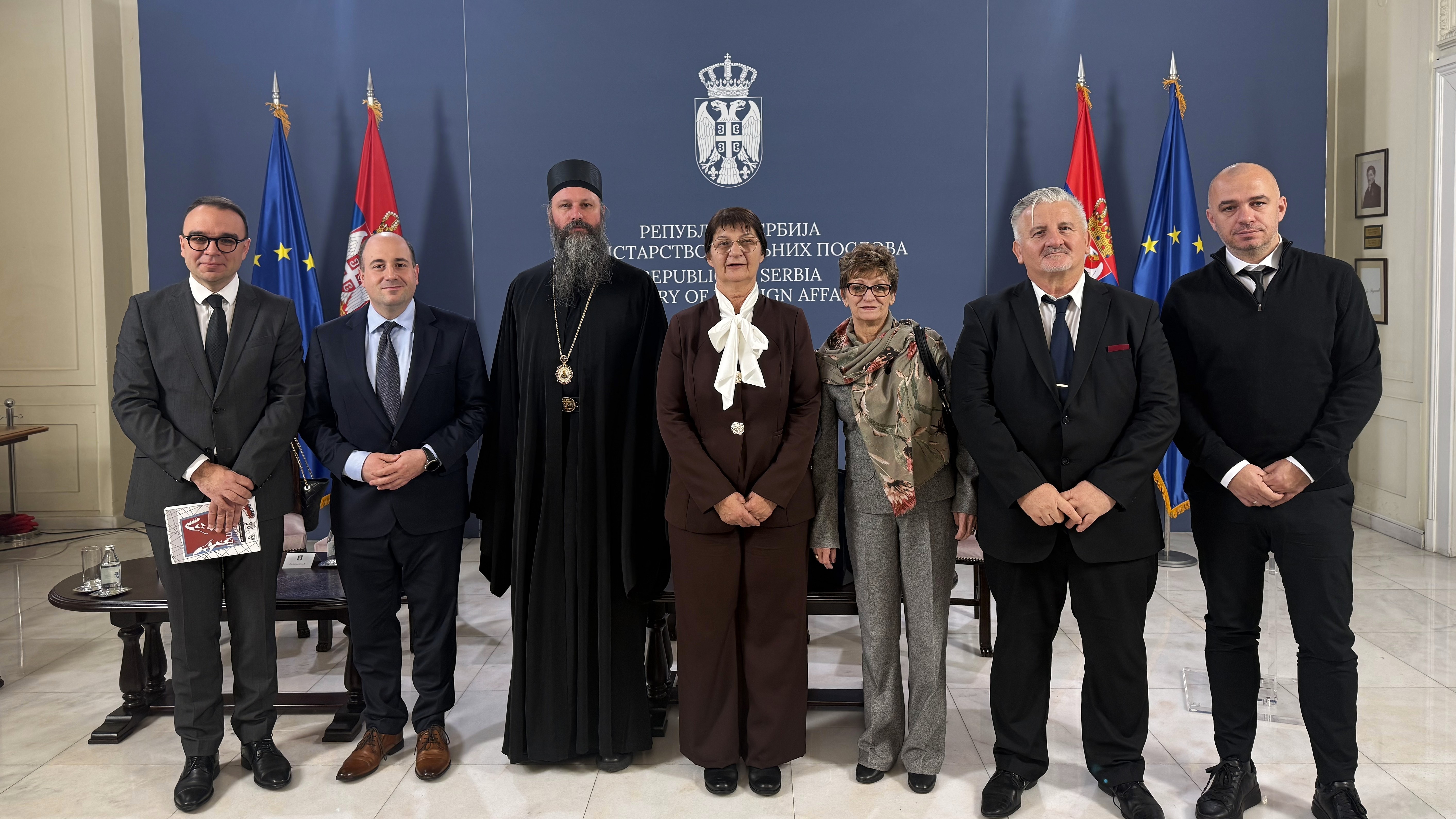
Without truth and justice, and without confronting crimes and the facts surrounding them, reconciliation cannot be achieved, Kozarev emphasized, noting that without reconciliation it is difficult to build a shared and stable future. Addressing ambassadors and diplomatic representatives from more than 30 countries, who at the Ministry of Foreign Affairs had the opportunity to hear first-hand testimonies from two women about the torture and abuse they endured in Bosniak camps and detention facilities during the 1990s, Kozarev underlined the broader significance of such testimonies.
“For the sake of truth, for the sake of justice, and for the sake of the future—not the past, and without politicization—this is not a return to the past. Rather, if we want a better future for all, we must listen to testimonies that are little known even in our own society, and even less so within the international community,” Kozarev said, adding that the monograph represents only a fragment of a vast mosaic of suffering, but nevertheless a meaningful contribution to making the truth public.
Referring to developments at the United Nations last year, Kozarev noted that Serbia opposed attempts to secure a unanimous position on Srebrenica, which, at a minimum, resulted in a divided international community and prevented the sponsors of the resolution from achieving their objective. “That objective was to once again unanimously place us on a pillar of shame, to stigmatize us, and to portray us as perpetual regional, continental, or even global troublemakers. We seek only to remain, to endure, to live, and for it to be fundamentally normal that children do not fear they will go through what their parents, grandparents, or older generations endured—experiences that all of us carry in our collective memory, both consciously and unconsciously,” the Secretary General said.
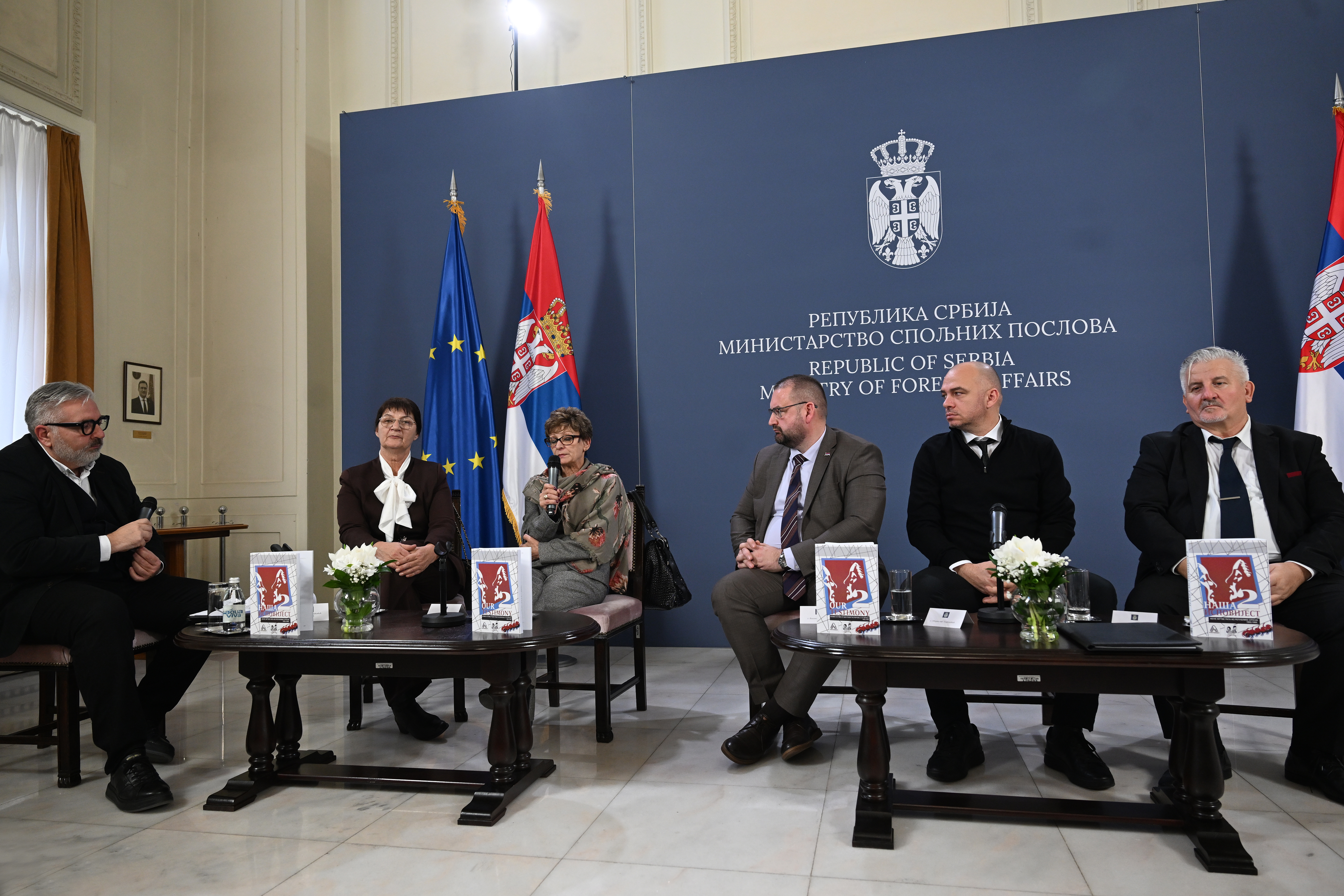
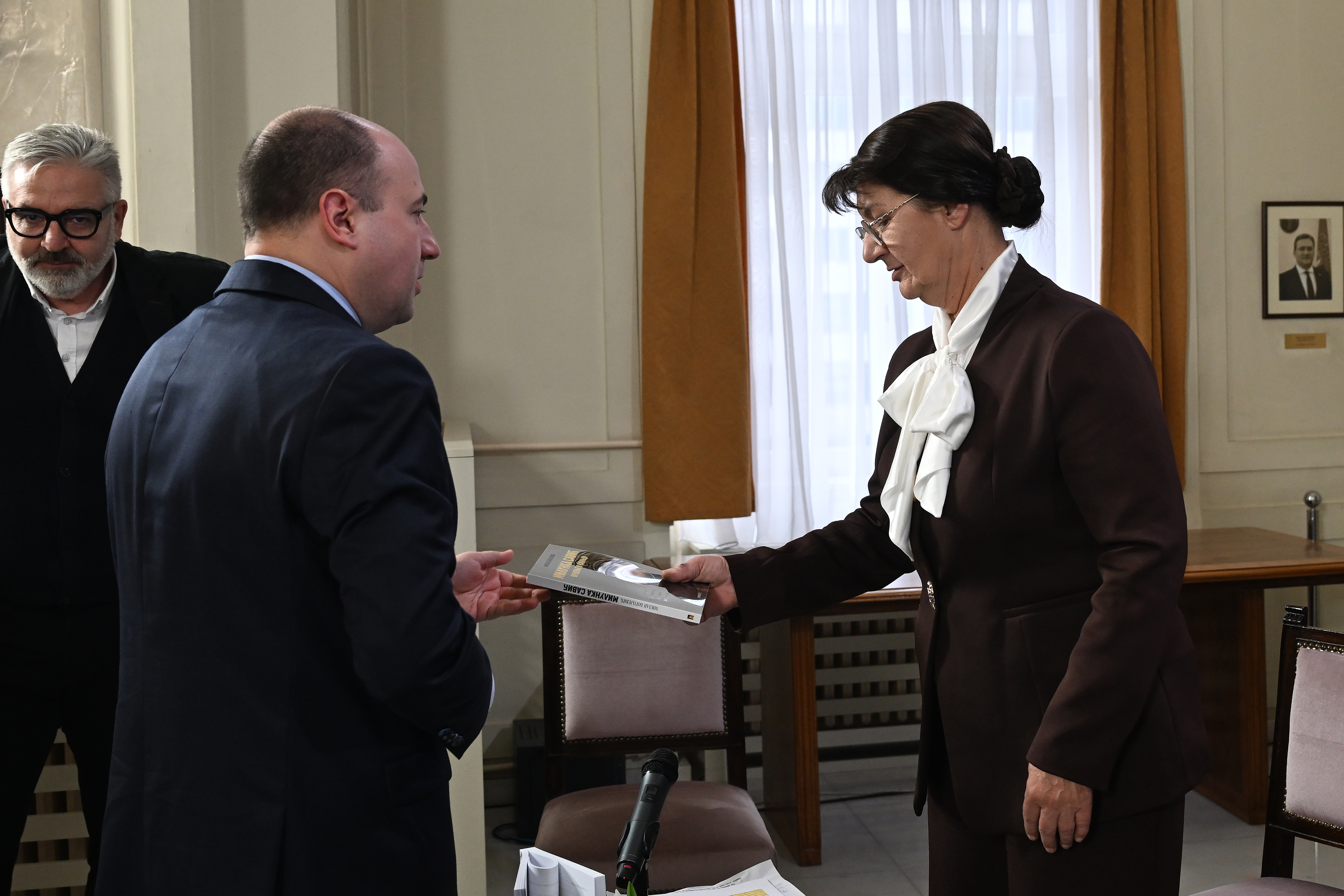
The President of the Association of Women Victims of War of the Republic of Srpska, Božica Živković Rajilić, and its member Gordana Botić spoke about the grave torture, abuse, and suffering they endured, as did many other Serb women, as well as Croat and Bosniak women who were married to Serbs. They stressed that speaking publicly about the atrocities they survived constitutes at the same time a cry, an appeal, and a plea—a demand that courts in Bosnia and Herzegovina, as well as international institutions, investigate these crimes and prosecute the perpetrators, regardless of the passage of time, noting that the vast majority of those responsible have remained beyond the reach of justice.
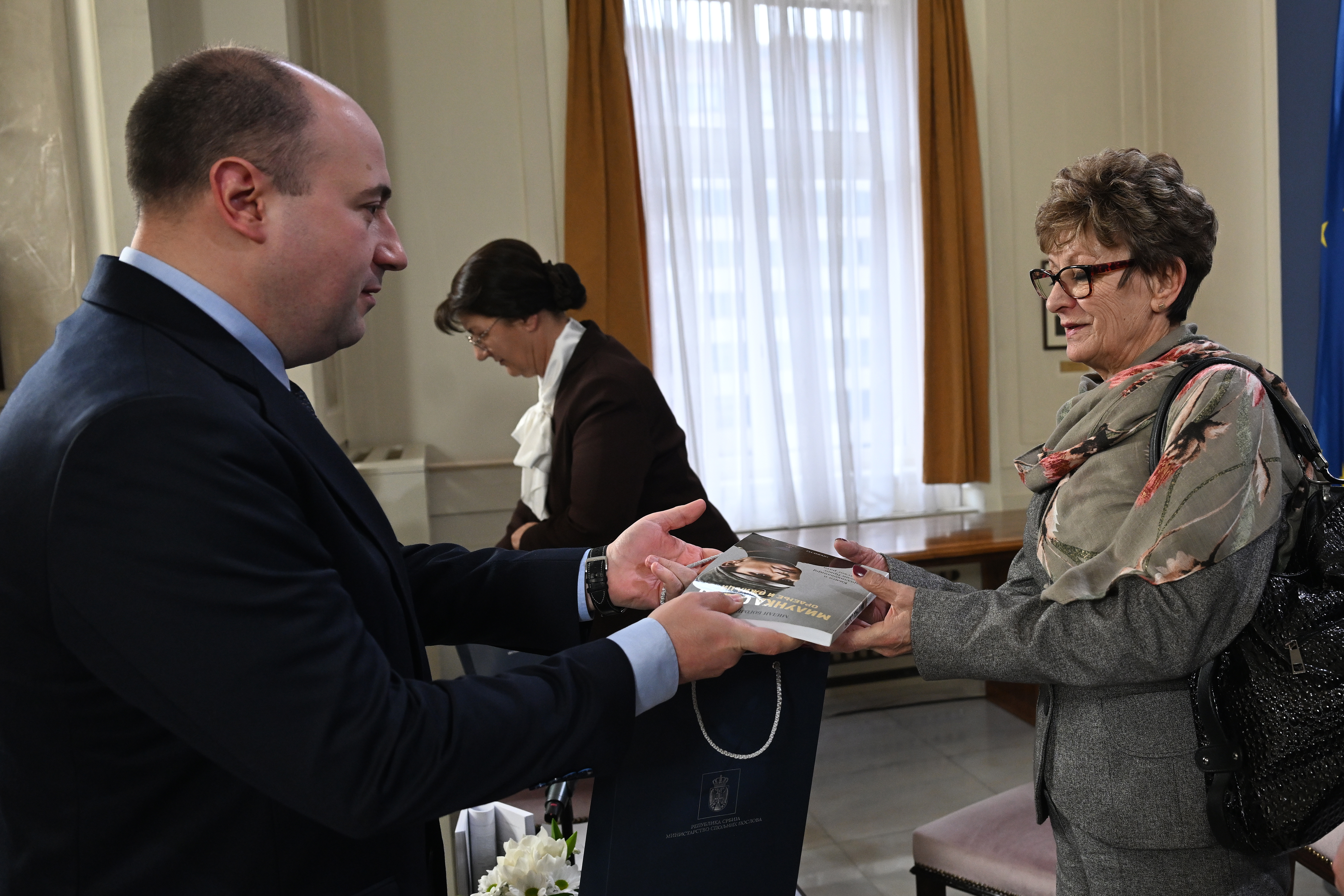
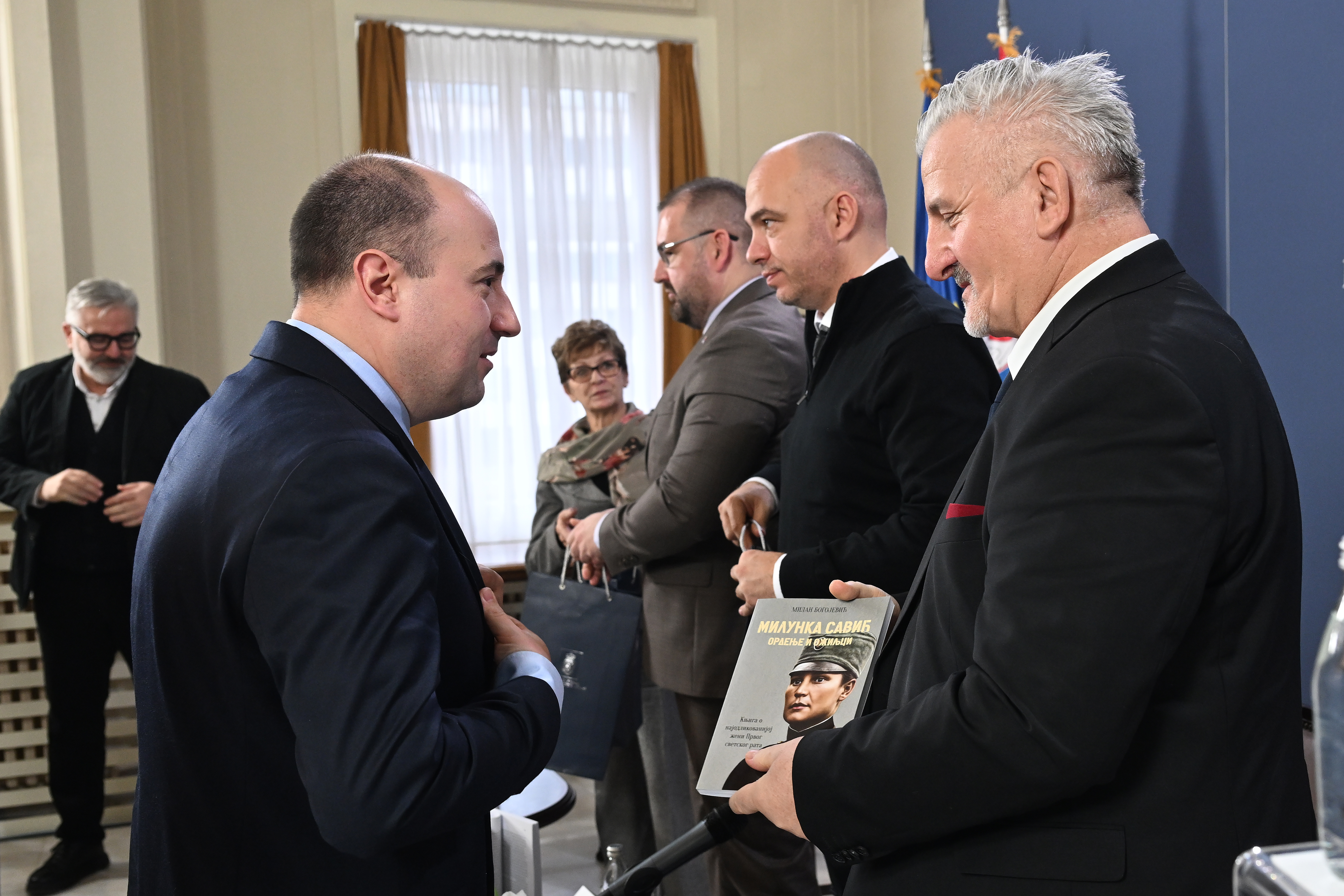
The Director of the Archives of Vojvodina, Nebojša Kuzmanović, together with representatives of the Republic Center for War Research, War Crimes, and the Search for Missing Persons of The Republic of Srpska—Viktor Nuždić and Miroslav Ljubojević—explained the importance of documenting the suffering of their people not only through research and the recording of numerical and other factual data, but also through the collection, preservation, and publication of personal testimonies of victims of past conflicts. They expressed particular gratitude to the Ministry of Foreign Affairs of the Republic of Serbia and to Minister Marko Đurić for their assistance and support in the publication of the second volume of the bilingual (Serbian–English) monograph on wartime suffering in the Republic of Srpska.